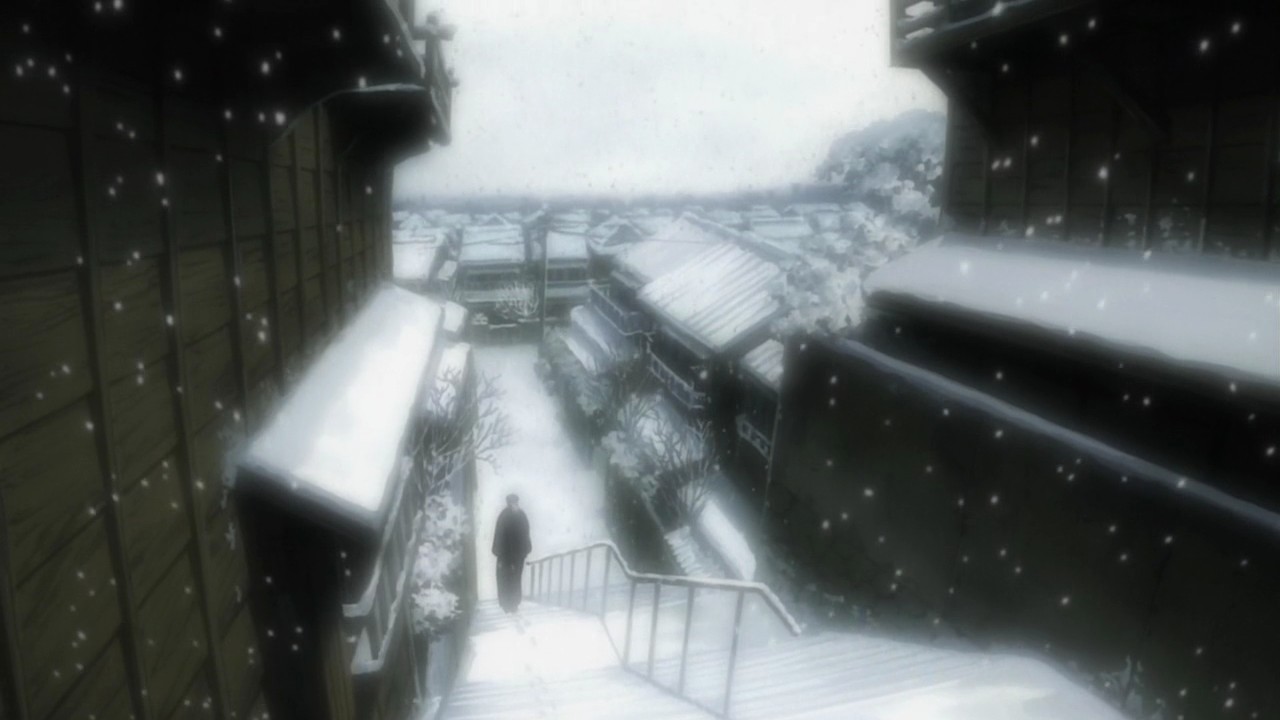
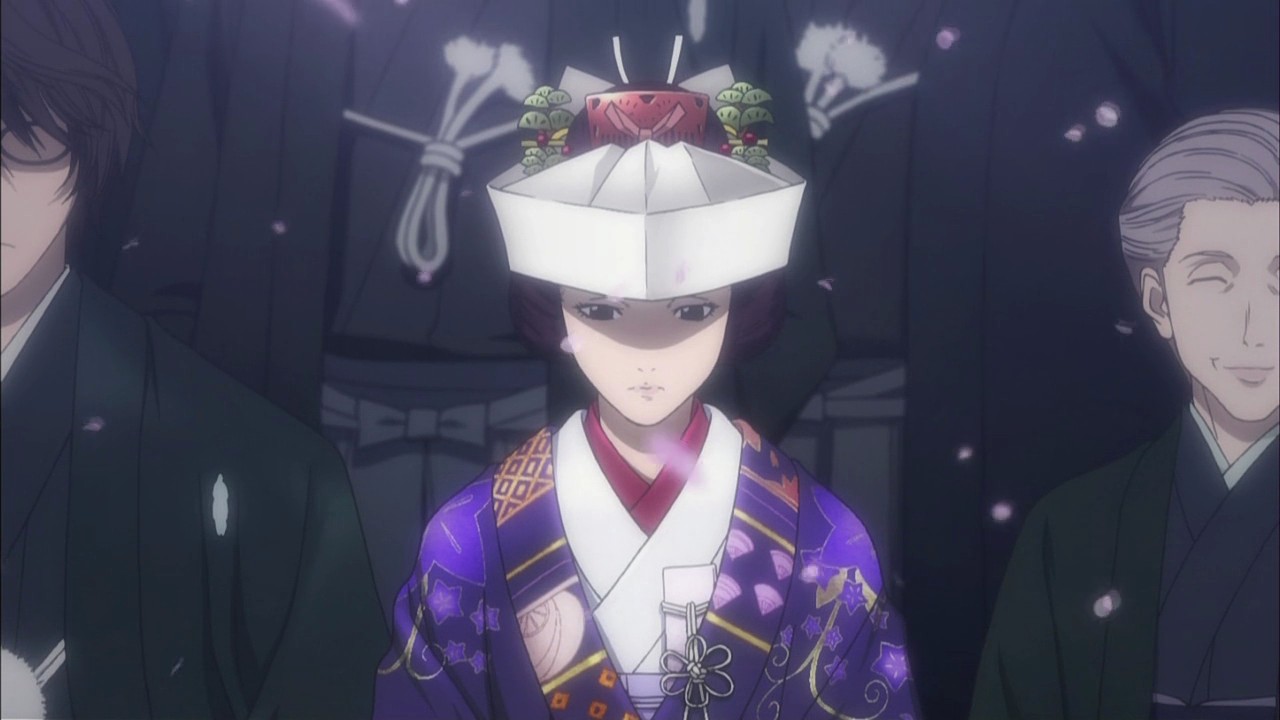
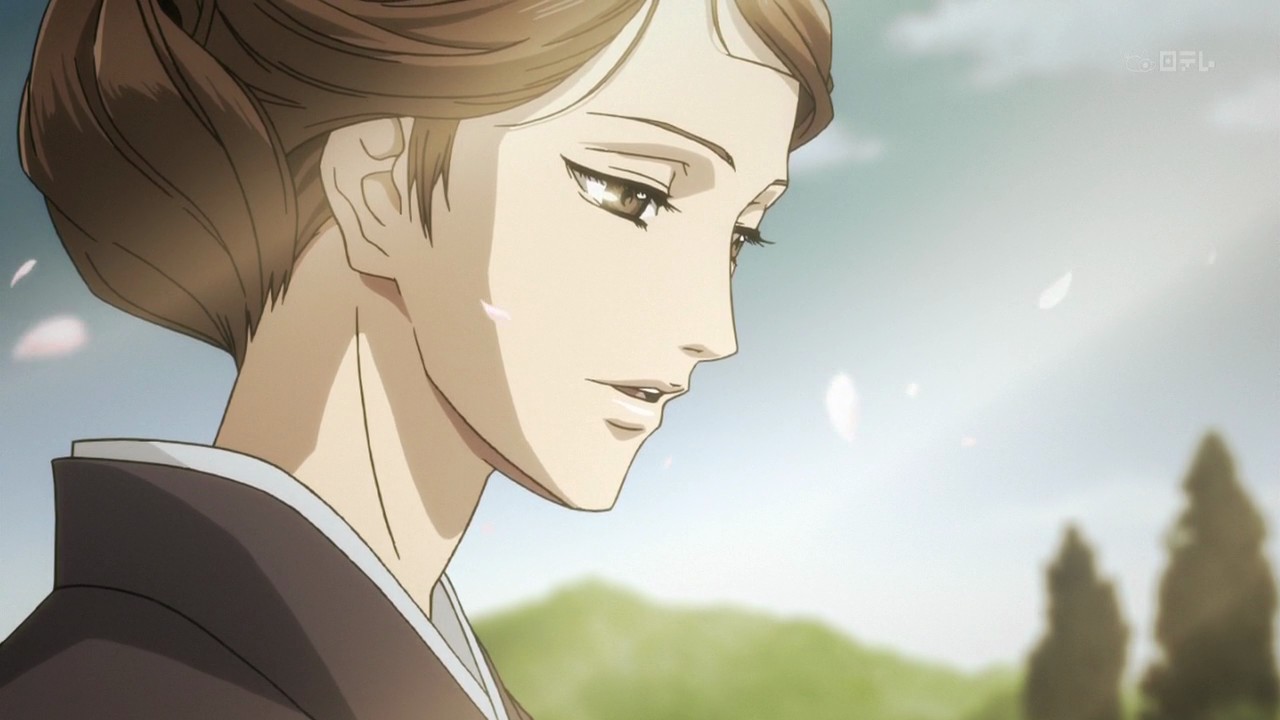
The first story of Aoi Bungaku, No Longer Human, is covered in a soft, often wintry mist that permeates through to the character's unsurprising end. The remaining five stories however are vividly realised, varying between sharp reality and kaleidoscopic dreamscapes; each conveys the vagaries of humanity with poignancy and skill. So too changes the attitude in each story, from the purgatorial trappings of the first story to the theatrical analogy of Run, Melos! to the Rashomon-esque multiple viewpoints of Kokoro. An ambitious and vibrantly successful venture that wears its literary roots proudly, portraying characters with unflinching amorality and focusing not on full-circle stories but short vignettes of startlingly tangible people.
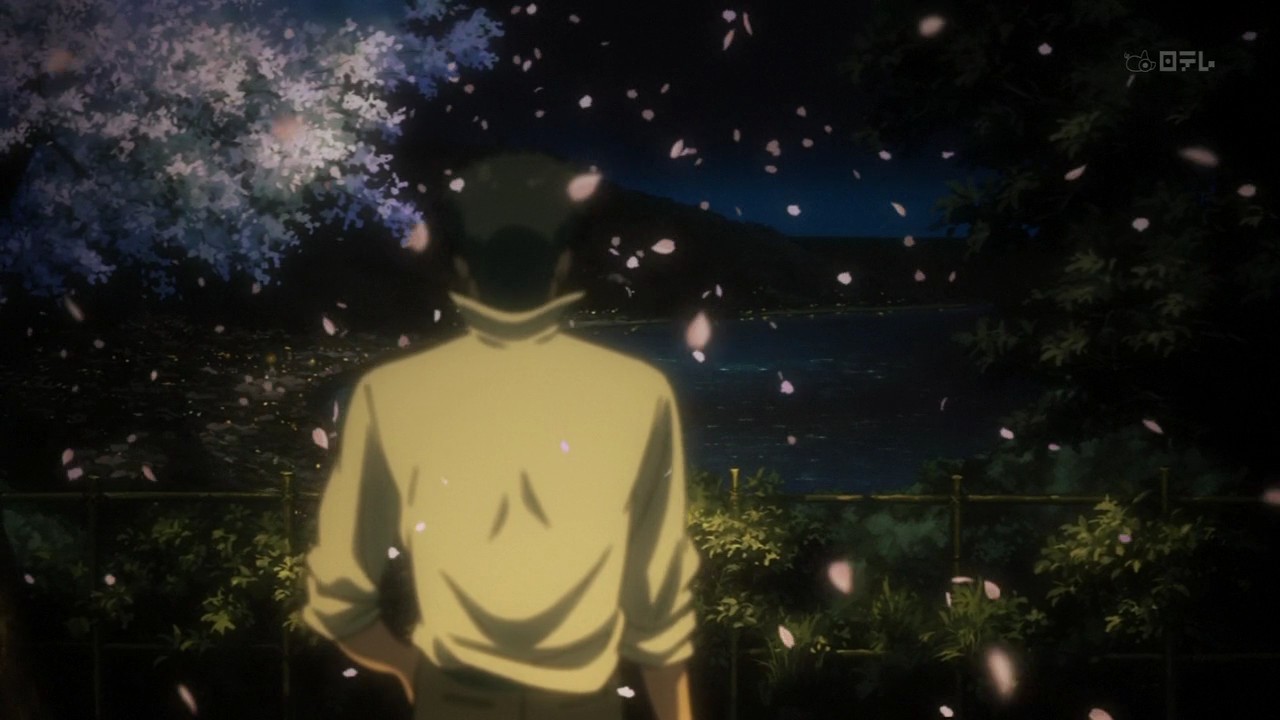
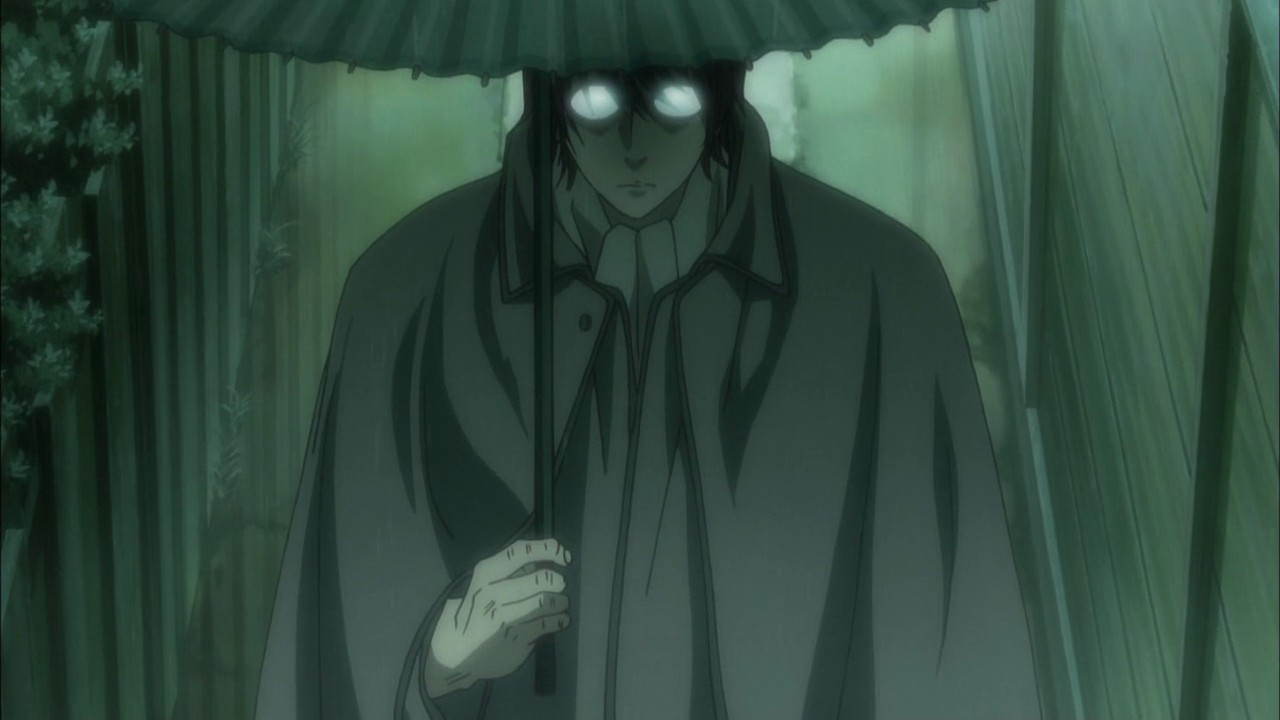
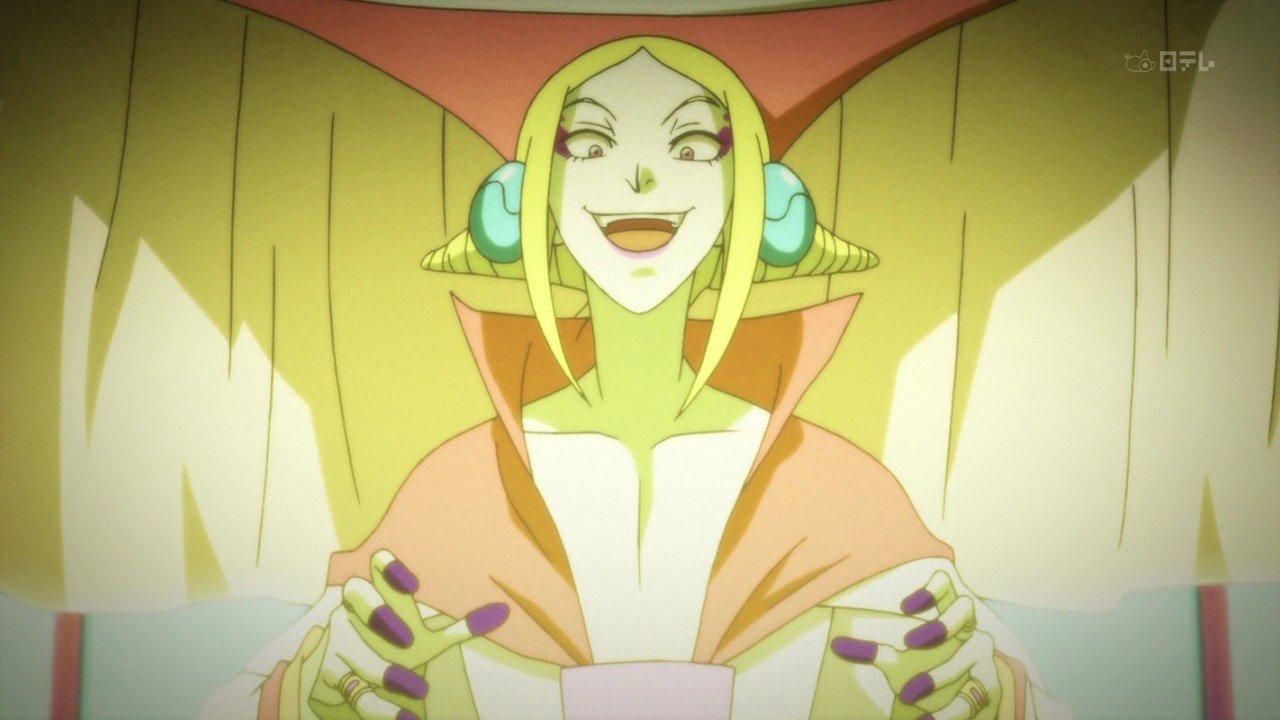
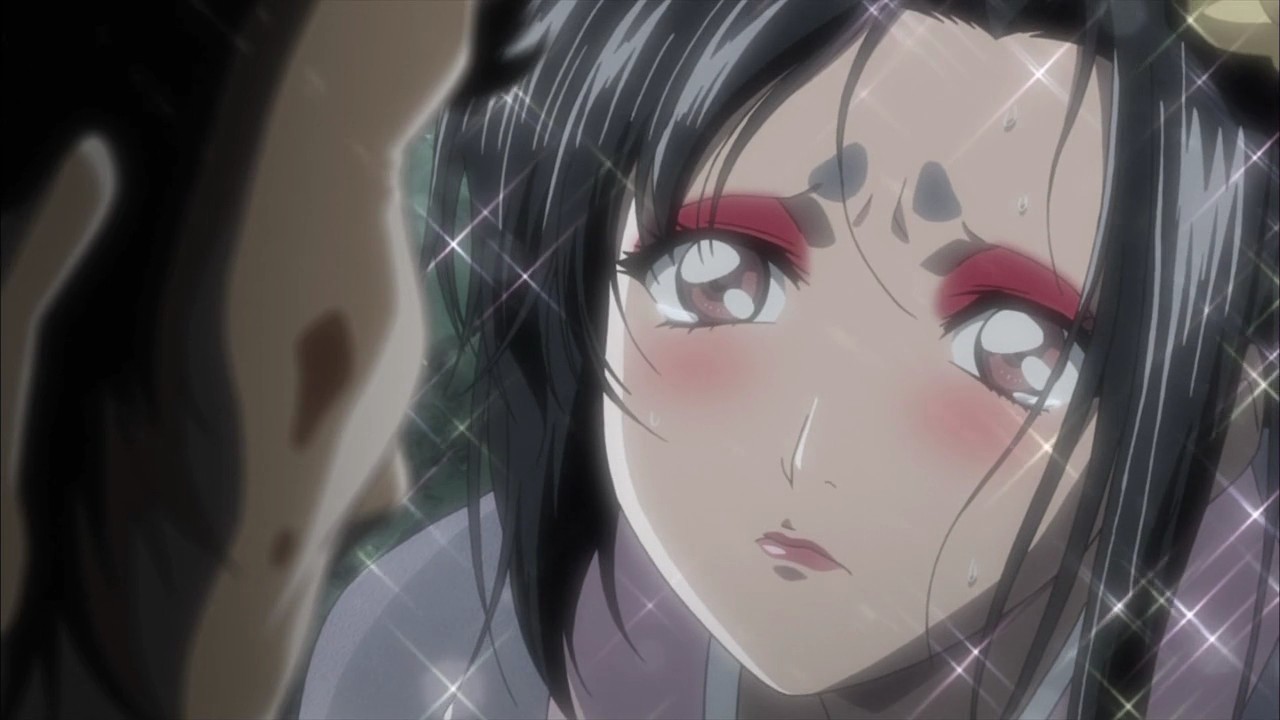
The first four episodes tell the story of Yozo and his attempt to come to terms with his more base instincts and emotions which more often than not lead him to psychological turmoil, not helped by his sexual reliance or penchant for escapism. The second tale is of Shigemaru, a callous thief who one day comes across the beautiful but demanding Mitsuki whose bloodthirsty attitude is tempered only by her morbid fascinations. Shigemaru battles with his fear of the forest's cherry blossom grove while capitulating to all of Mitsuki's murderous whims. The third story is of a gentleman known only as Sensei who invites a scruffy man, K, into the house where he is staying; told from two differing perspectives, both concern the daughter of the house, her affections and the results of a cross-communication between the men. The fourth narrative is of a man tasked with adapting a story for theatre but the process opens old wounds with the parallels it has with his own life. The final two stories are set within the world of a fickle and flamboyant king: the fifth sees the capture of the wicked criminal Kandata, his execution and descent into hell; the sixth follows the artist Yoshihide who, disillusioned with a kingdom he sees as rife with violence and cruelty, is ordered by the king to paint a vision of the land on the walls of his tomb.
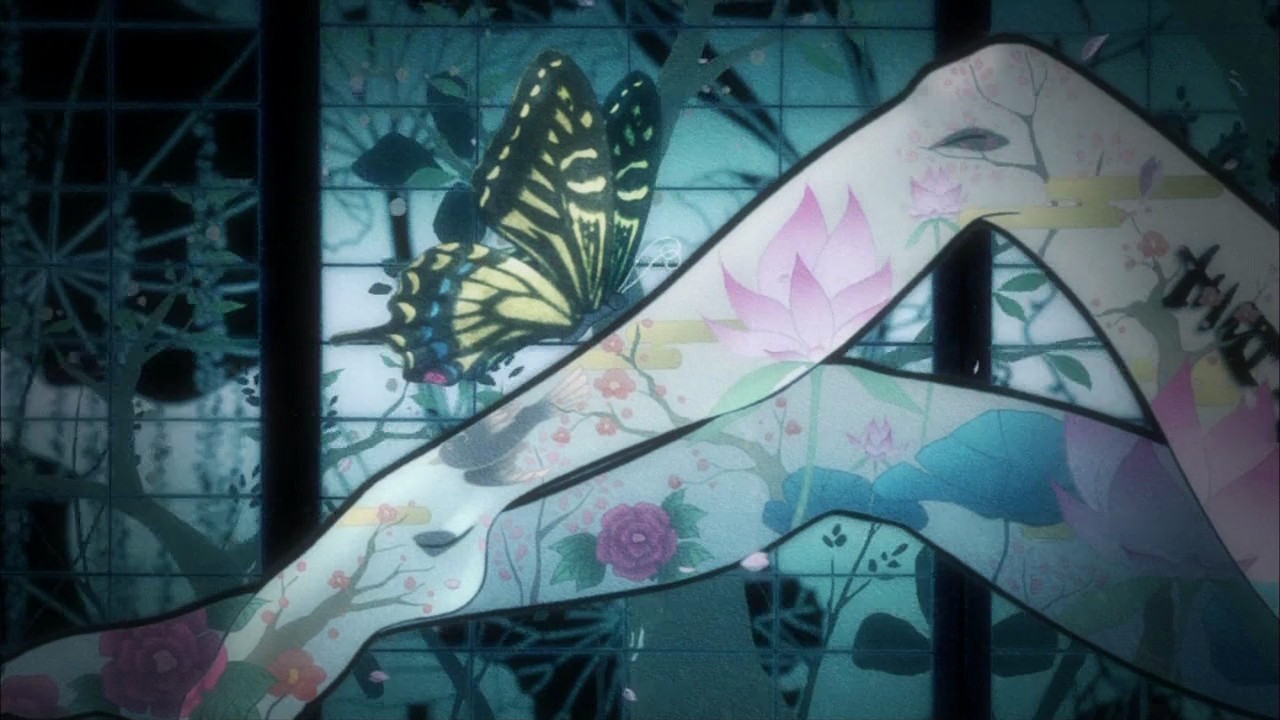
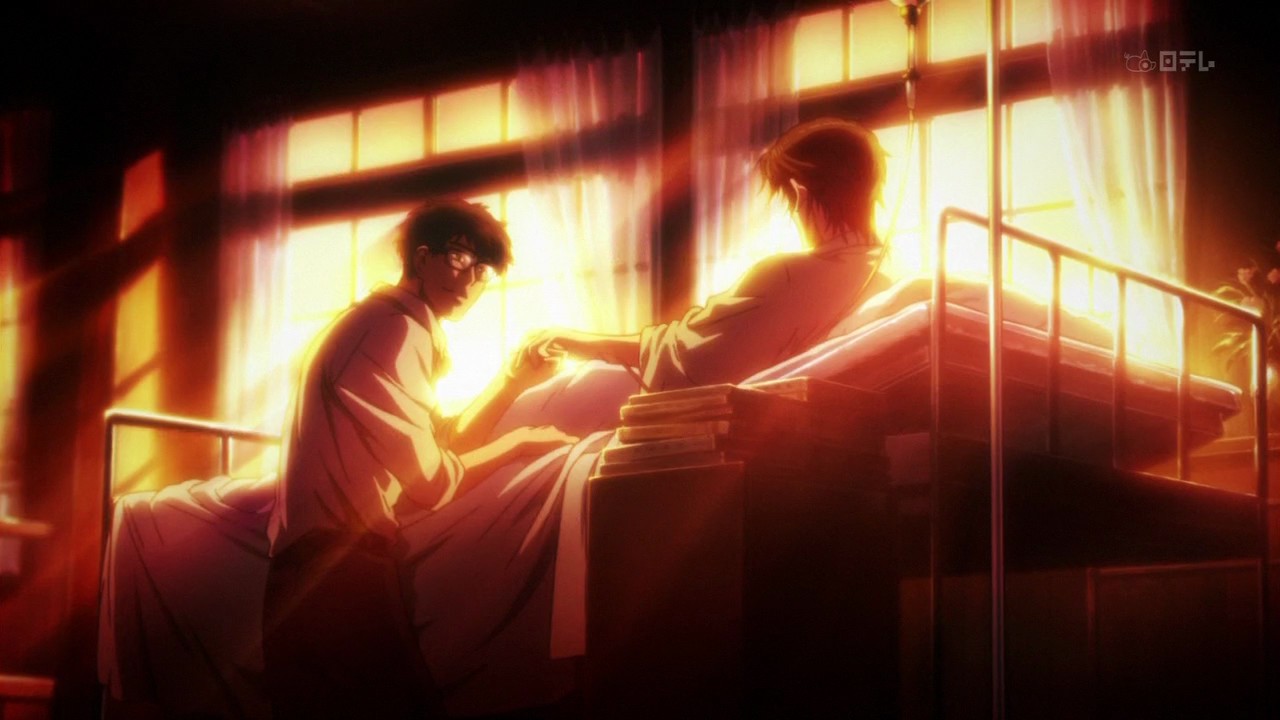
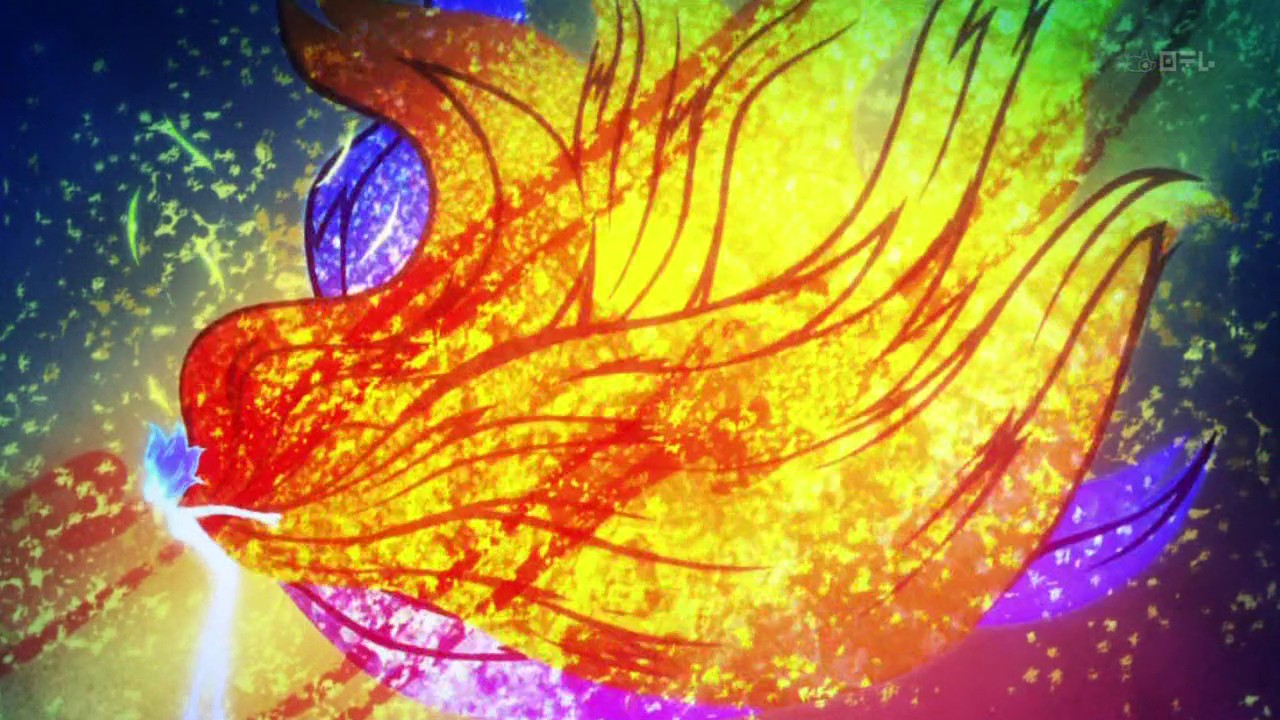
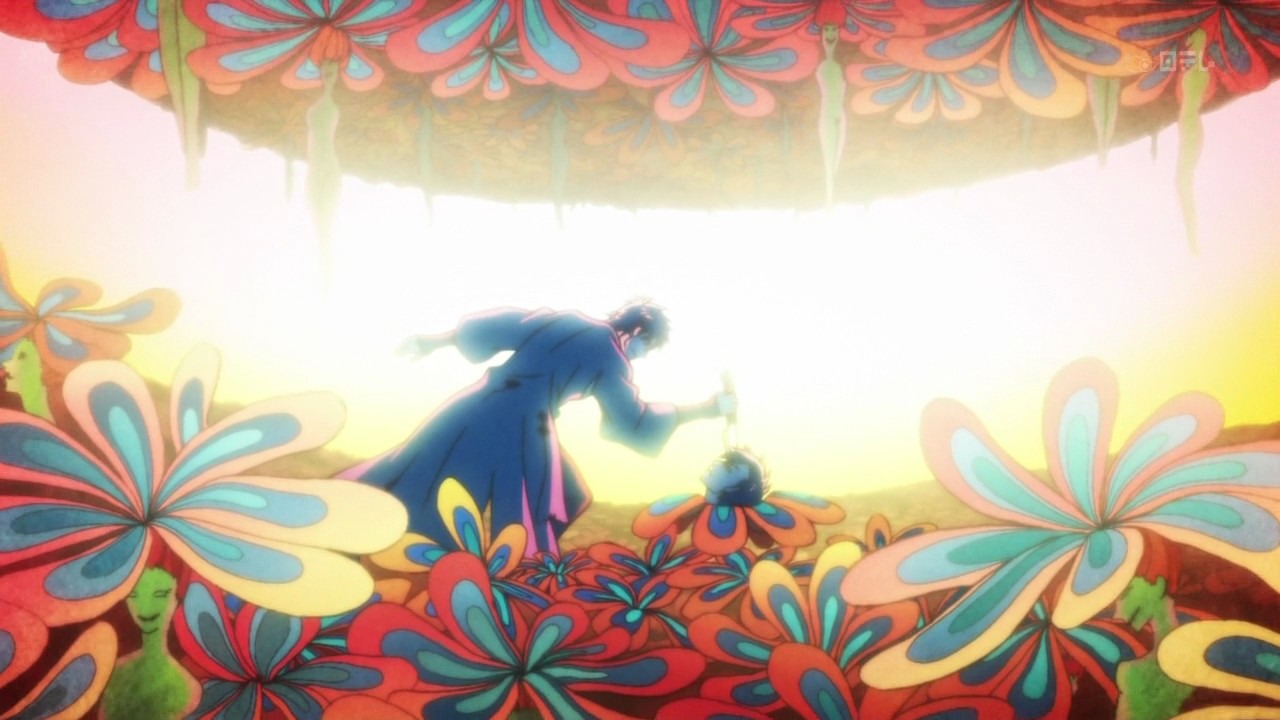
Madhouse have exceeded all possible expectations for this series, the six entries are all ravishingly detailed and demonstrate the character designers - Takeshi Obata, Takeshi Konomi and Tite Kubo - at their best. The stories are deliciously unique, whether it is the gossamer veil of No Longer Human, the gentle vistas of Run, Melos! or the coruscating technicolour of Hell Screen - the confident superiority in which they are rendered is sublime. Animation too has been lovingly crafted with a keen eye for expressions and clothing shared throughout but dramatic shots of trains drawing from stations to an ebullient sister are wonderfully animate. At times there are hints of Studio 4°C's work such as the seminal Genius Party or the numerous music videos of Utada Hikaru. So flawless is the production that there is nothing but hair-splitting to find fault with, it represents a studio at its zenith: creativity, imagination and talent in its purest form and though it has echoes of some of Madhouse's previous series, it surpasses them all with ease.
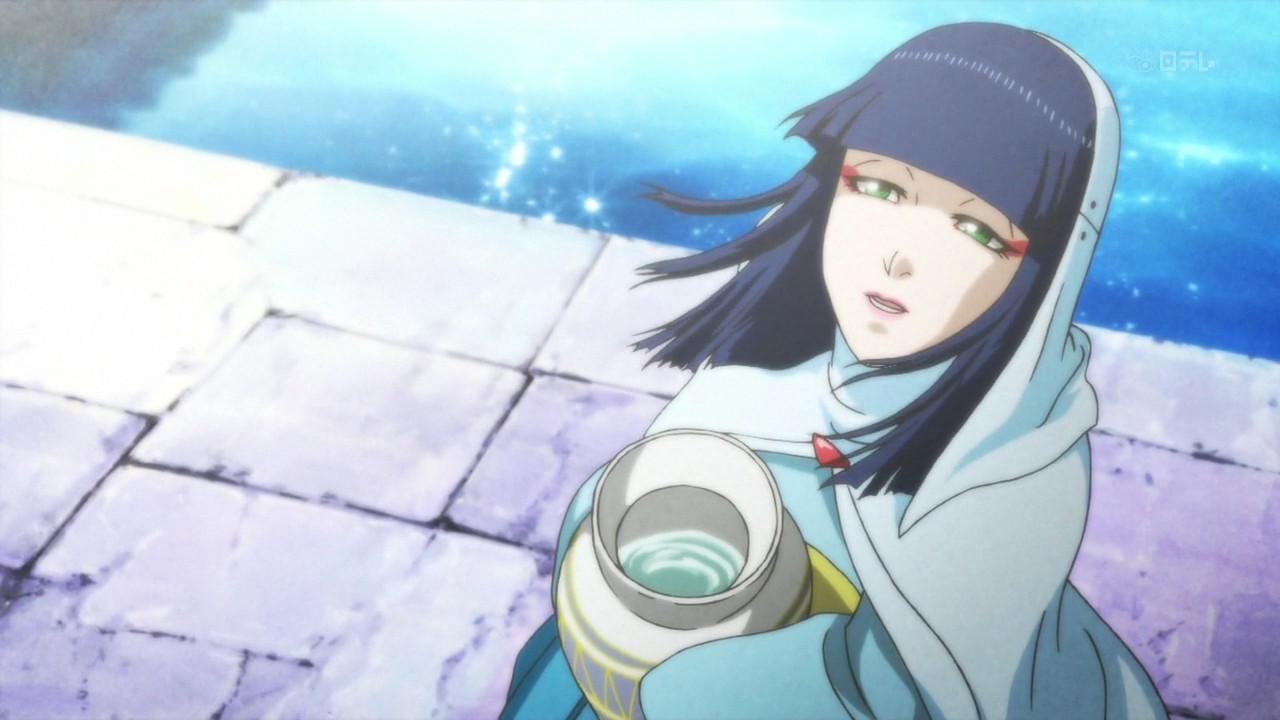
Fitting then that it should be partnered with powerful source material from some of the greatest Japanese writers to have lived in past century. The precision and flawed characterisation frees the cast from the bland everyman likeability that is usually inflicted upon anime protagonists and gives the strongest hints to their literary genesis. Ones such as Takada, who despite having lived in Tokyo for over fifteen years, is still unable to reconcile with the friend he unwittingly left behind until an impassioned letter is received, just as the play he is writing reaches its most painful duality with him. Or Yoshihide, who regardless of his favour with the king is willing to sacrifice his daughter and his own life in order to speak out on the injustices he sees perpetrated in his homeland. Their actions feel original and fresh despite the general time period of early twentieth century Japan, but their status as paradigms of these traits is obvious by how often they have been aped and subsequently watered down. Rare is it when giants of men are treated with as much beauty and respect as the most feminine of women; rarer still is to watch the stark implications of madness and jealousy, grace and fervour played out with such composure.
Distilling short stories and novels allows the series to concentrate on the core aspects that defined each work. Aoi Bungaku works in part due to each story occupying a short run of generally two episodes or less and while the characters are brilliant in their own right, the possibility of them carrying even a quarter season series, is slim. No Longer Human is the lengthiest with four episodes and adroitly fills each one but any longer and the sole focus on Yozo would begin to wear thin. Far from a criticism, the series chooses its own terms and takes the most sensible route in adapting enormously complex and well-loved tales. Myriad others have built series on far flimsier concepts than those presented here, but it works because of the short individual lengths rather than in spite of it. This makes the final two stories the most jarring: not for their ostentatious use of colour, but the dovetailing of both stories into one world while sharing the central character, the King, implies there is a connection between the two where none, ostensibly, exists. Like the animation however, this is a nitpick at best and the bombast of the King certainly deserves longer than a single episode's exposure would have provided.
No other anime series produced has attempted what Aoi Bungaku has, that is has succeeded so thoroughly and its structure so uncommon means that comparisons with other series is impossible. Projects such as these are extraordinary treats for the senses as well as the mind, painting worlds that effortlessly draw one in and stay long after each has finished. There is little to nothing to criticise in this dazzling series, common bugbears such as voice acting or corner cutting are entirely absent which leaves the realisation that Aoi Bungaku perfects what it set out to do and introduce challenging literature to the cell-phone generation. Unconventional and stimulating, the series is superb and with its uniqueness alone, like its parentage, sets it up as a genuine, timeless classic.