
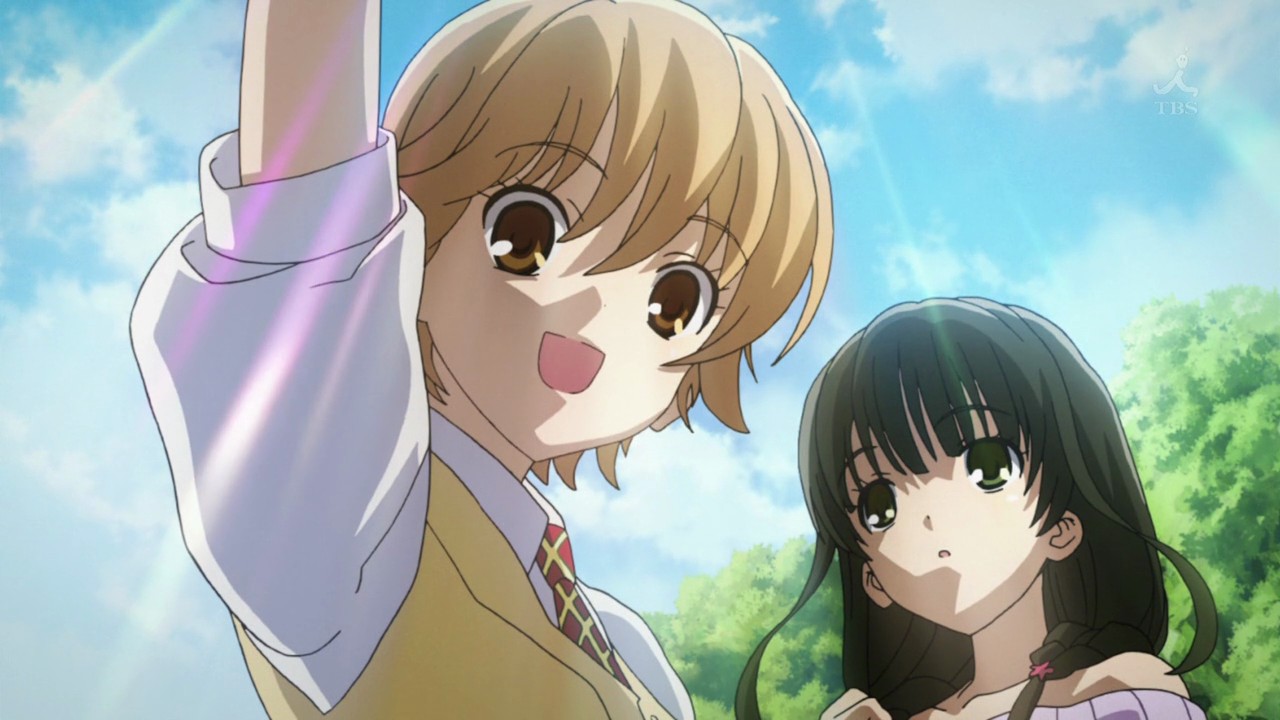
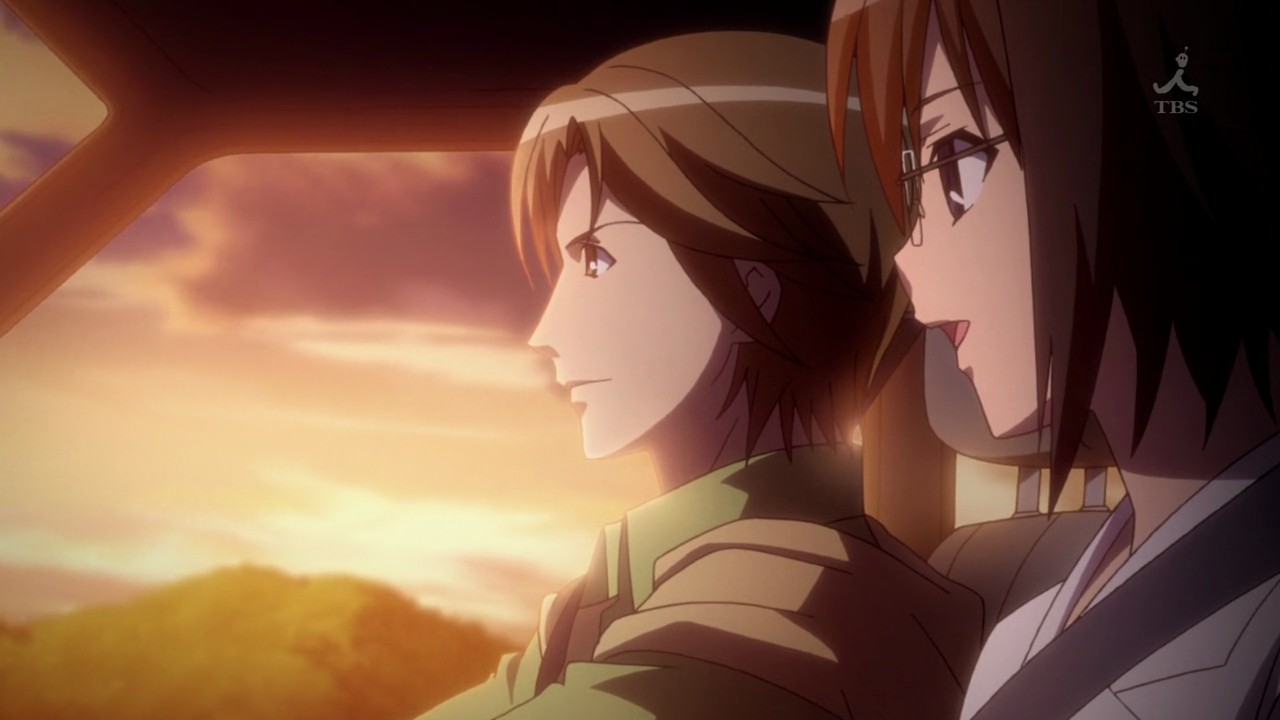

What begins as a creeping sense of malevolence with Ookami Kakushi (lit. Wolfed Away) develops into mute indifference as the threat of a mysterious scythe-wielding lunatic ebbs into frisky sexual encounters. The series starts with the faint hope of a slow burning mystery, that is resolutely extinguished however by sedentary pacing and continual non-events. Unsurprising then that the original creator behind Higurashi no naku koro ni has similar duties for this as well as the Peach-Pit duo taking responsibility for character designs. The outcome is a tasteless melange of different inspirations ranging from Night Wizard to Project Zero to Myself; Yourself and many points in between that still maintains its own distinct approach but ultimately lacks the focus needed to succeed.
Hiroshi, his writerly father and his wheelchair-bound sister have recently moved to the rural town of Jogamachi. Divided by a river into the old and new areas, rumours abound of man-sized wolves roaming the surrounding hills; it isn't until a friendly acquaintance from school disappears though that Hiroshi begins to realise there may be more to the town than he initially assumed. With a local harvest festival upcoming - focused on the town's abundant Hassaku fruit, a type of fragrant orange - and strange occurrences increasing, the local populace's strange affection for Hiroshi may be more a curse than a blessing.
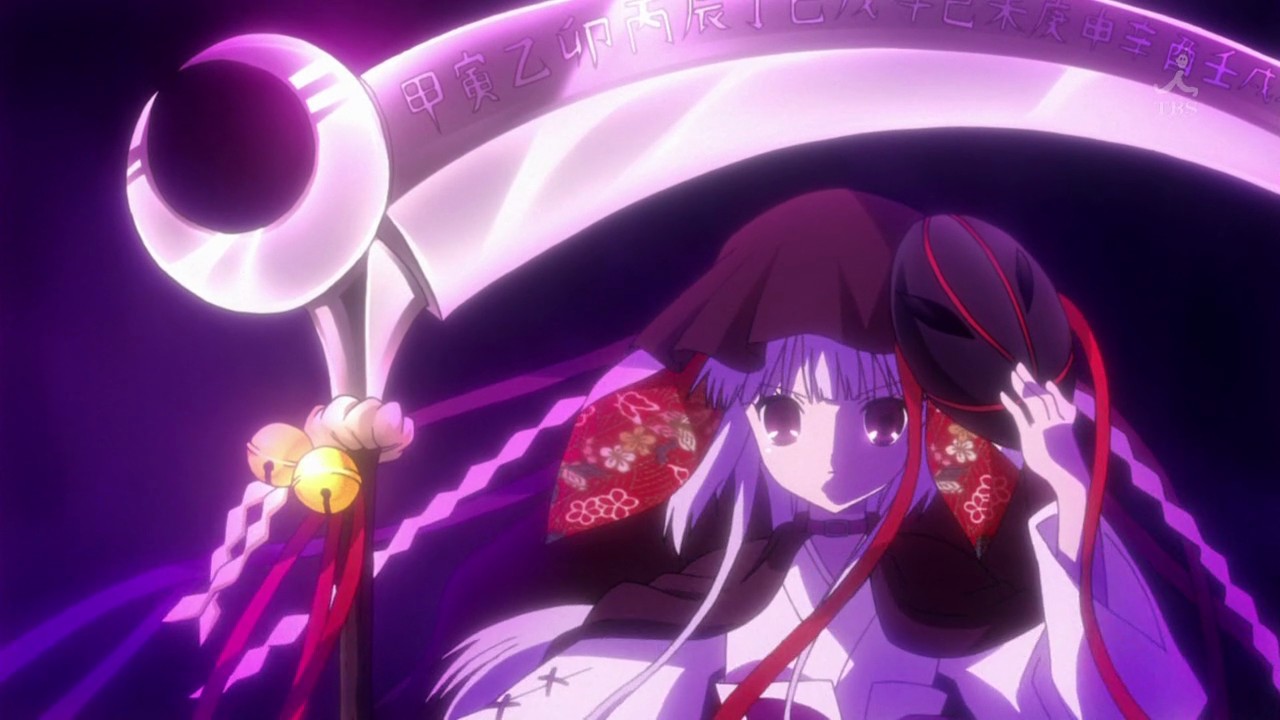
While somewhat heretical to compare, the series at first has an undercurrent of H.P. Lovecraft to it, with its menacing, small-town premise. The expectation that something murderous and vicious is concealed and roams the abandoned streets in the small hours of the night is tantalising; however this is squandered by the lack of a strong narrative thrust and a refusal to reveal any concrete information on the ostensibly central theme of the show. The series begins with a scratchy, grainy look at events still to come, a masked figure brandishing a crescent-shaped scythe being the most vivid; what follows though oscillates between mildly entertain school hijinks and brain-meltingly tedious excursions championed by the unnaturally peppy and instantly grating female lead, Isuzu. With nothing but scraps to entice and ongoing events too insipid to ignore, the impetus for further viewing evaporates all too swiftly.
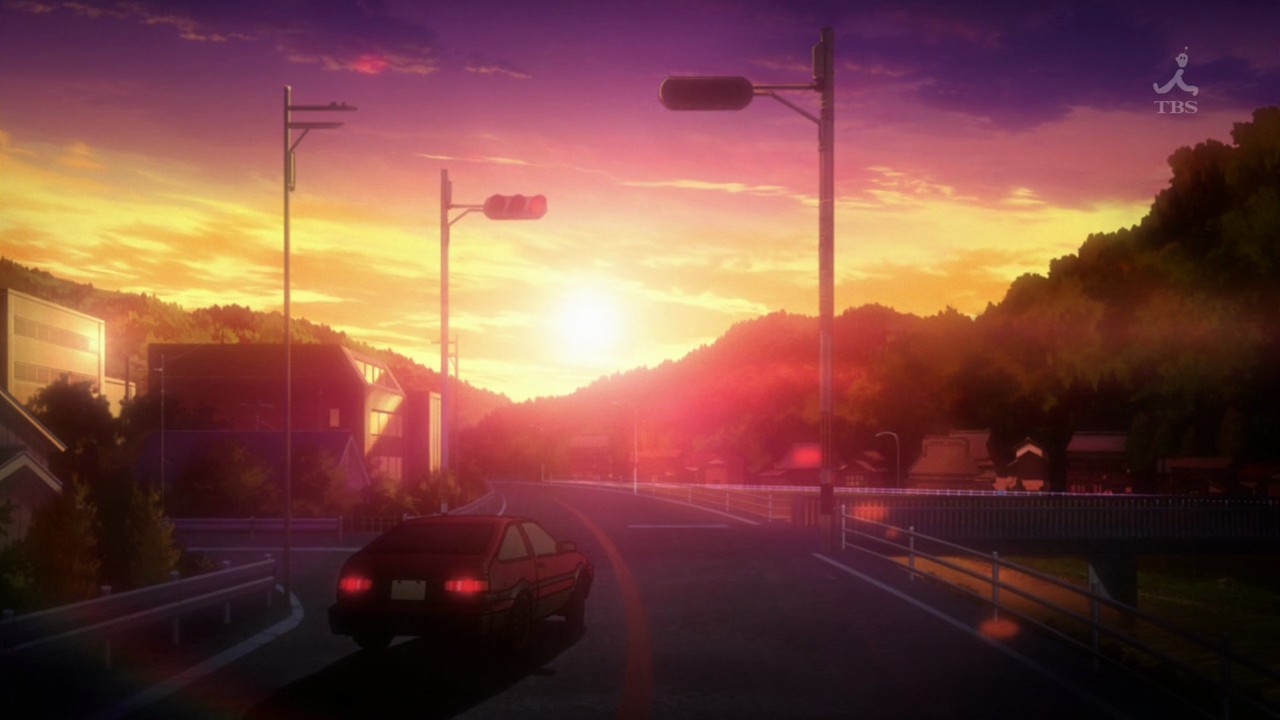
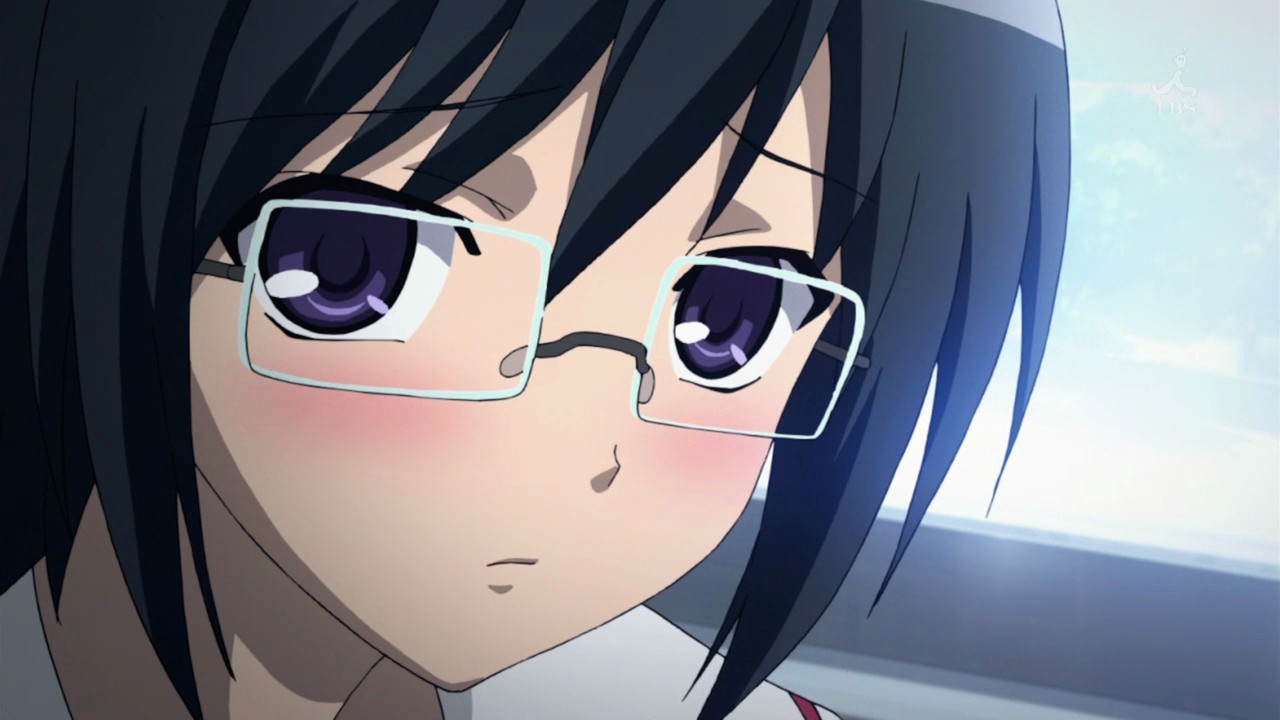
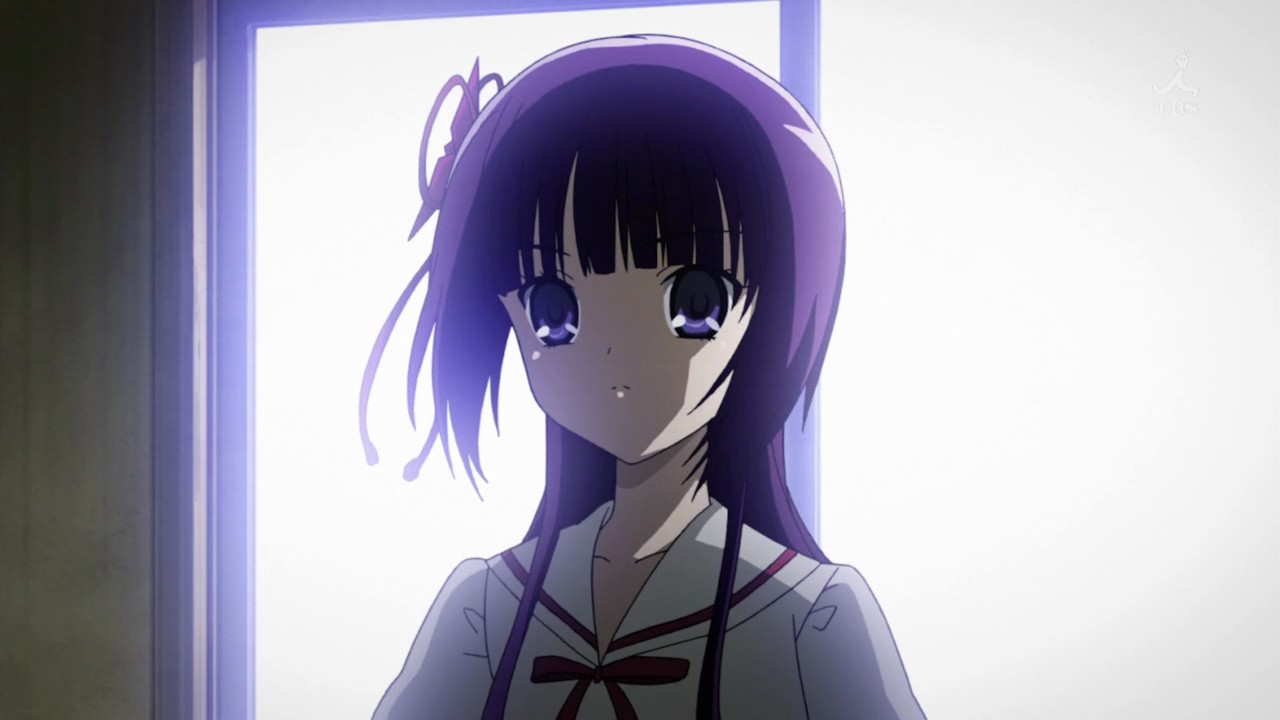
Sonically the series achieves much more than the story; the ending is an unspectacular litany yet the opening by Yuki Kajiura's FictionJunction sets the tone brilliantly with a trademark high-tempo aria. The most unique contribution however is the melodious next episode previews which, set to drum beats, are narrated by a soft, rasping voice cementing the foreboding ambience of the series aims for. Backgrounds are handled by the prolific Studio Easter which means they are infrequently beautiful, unlike the primary animation handled by AIC which, while serviceable, doesn't stand up to scrutiny and lends itself to later episode corner cutting.
The third episode is the strongest of the trio and begins the introduction of characters featured in the ending animation as well as demonstrating it is unafraid of potentially risky storylines, however the projected twelve episode run and current evidence strongly implies an imbalanced narrative more weighted towards frivolity than the more seductive creeping horror. The package then as presented by the opening episodes is mixed: isolated components offer much to be intrigued by whether that is the opening and closing sequences that bookend each episode or the the premise of a bifurcated town at war with itself when the moon rises. As whole though, Ookami Kakushi has too much baggage weighing it down; the lederhosen wearing female protagonist has more enthusiasm than is tolerable and male lead is dense enough to exert a discernible gravitational field, all of which negatively imbalance an otherwise promising series.
