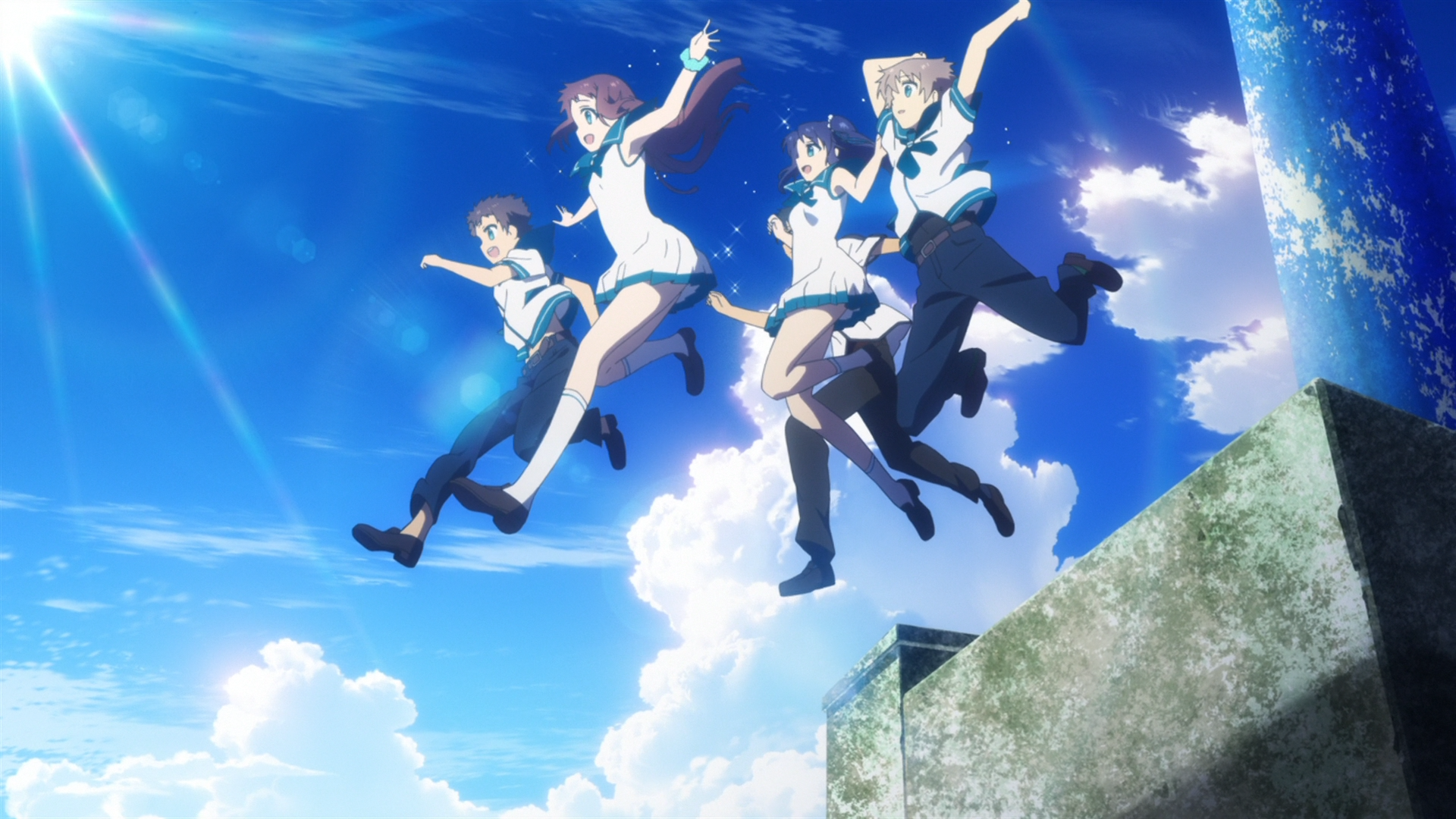
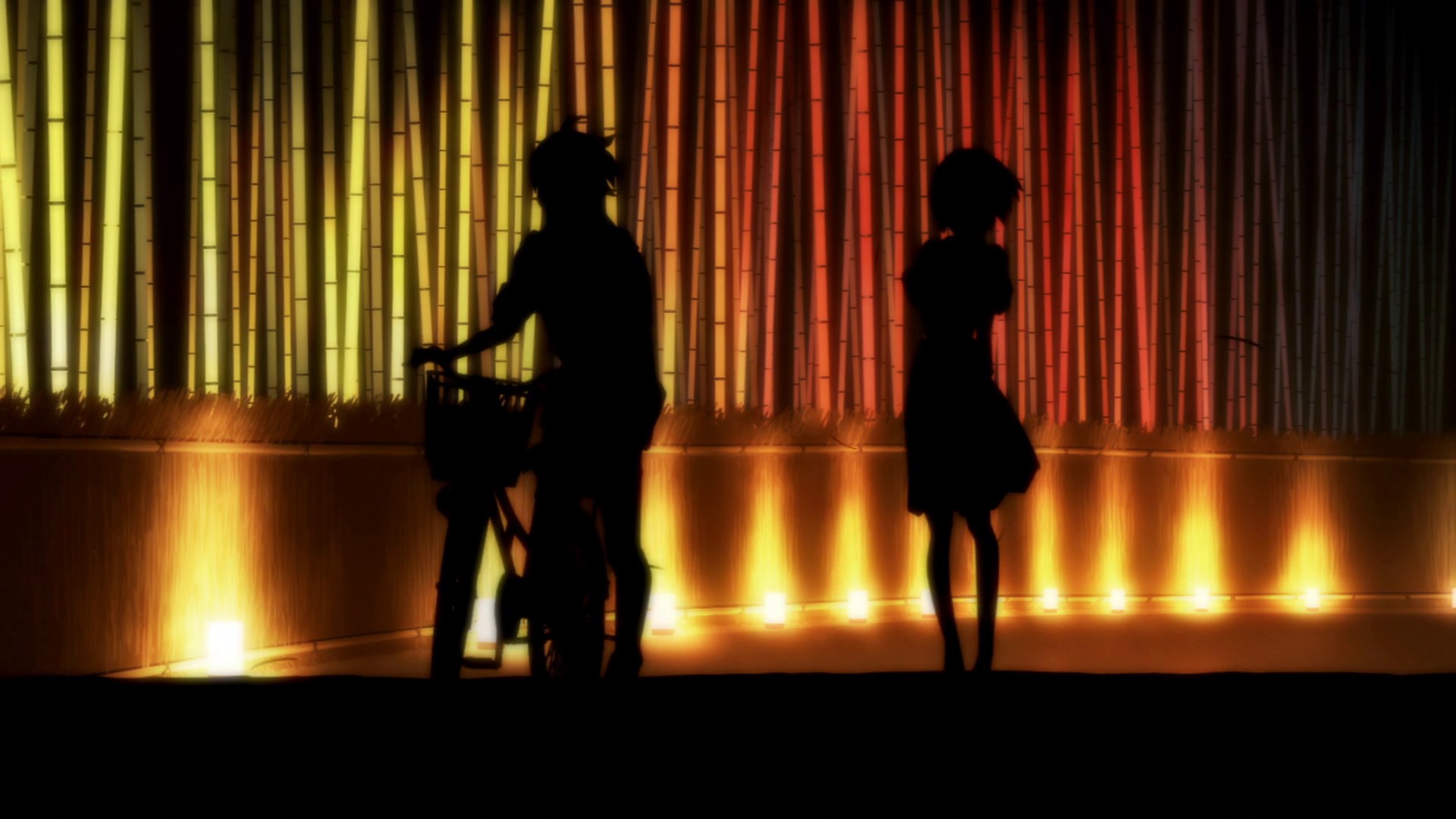
Like many recent two-season anime series, Nagi no Asukara (lit. From The Calm Tomorrow, alt. A Lull in the Sea) is bifurcated neatly at the thirteen episode mark. You could, in theory, leave the series at that point and be content with a competent if unresolved story story of early teenage angst. It would be a huge disservice to how spectacular the series is a whole though, and though you can spend the former half playing “count how many times girls cry” each episode, the latter half exceeds an already beautiful production with a thematically rich and emotionally charged tale of adolescent love in all its forms.
Your eyes are so blue, and your tears look like waves
It’s an unlikely recommendation for a series whose director’s previous productions have included the Inuyasha movies and the woefully unremarkable Gunparade Orchestra. Perhaps not so unlikely though for the writer who is right at home after penning The Pet Girl of Sakurasou and the similarly P.A. Works produced Hanasaku Iroha. It’s also odd to hear myself recommending it when the pseudo-contemporary setting and laser focus on romance and juvenile relationships isn’t my usual fare. But rare is a series that is afforded such startling production values that match a capable story and confident delivery.
Please note: the remainder of this review contains spoilers from throughout the anime series.
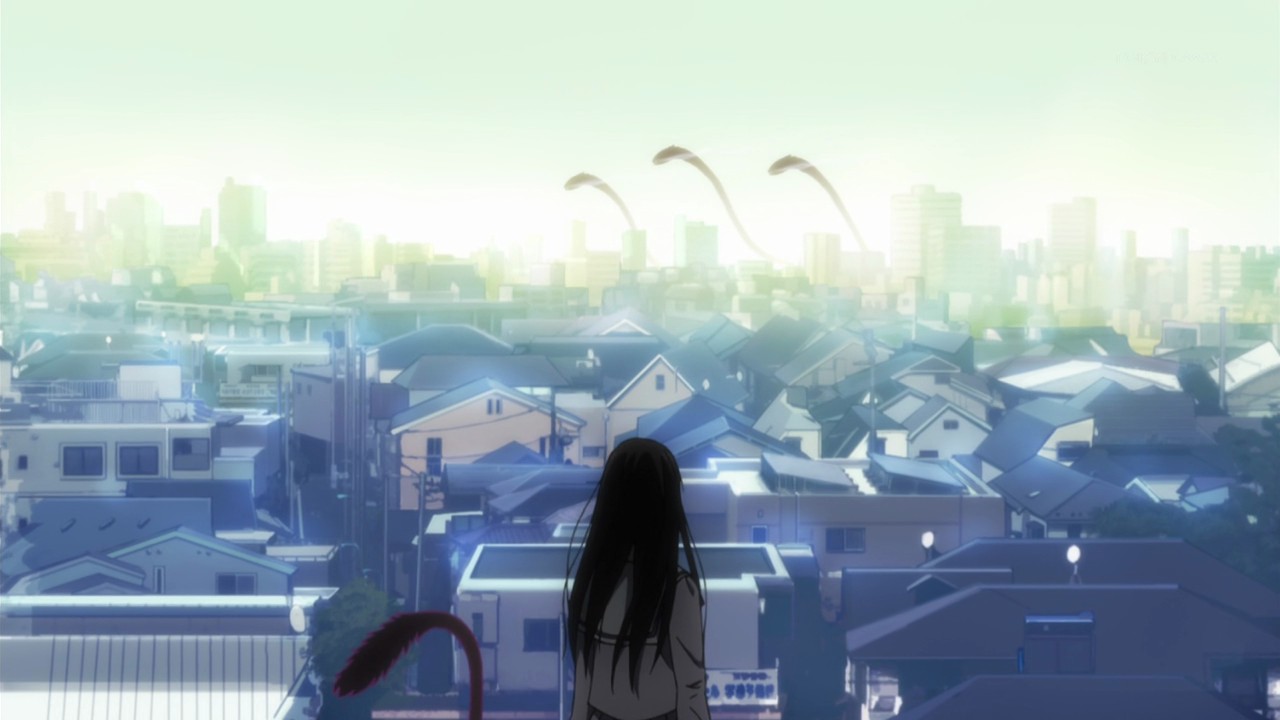
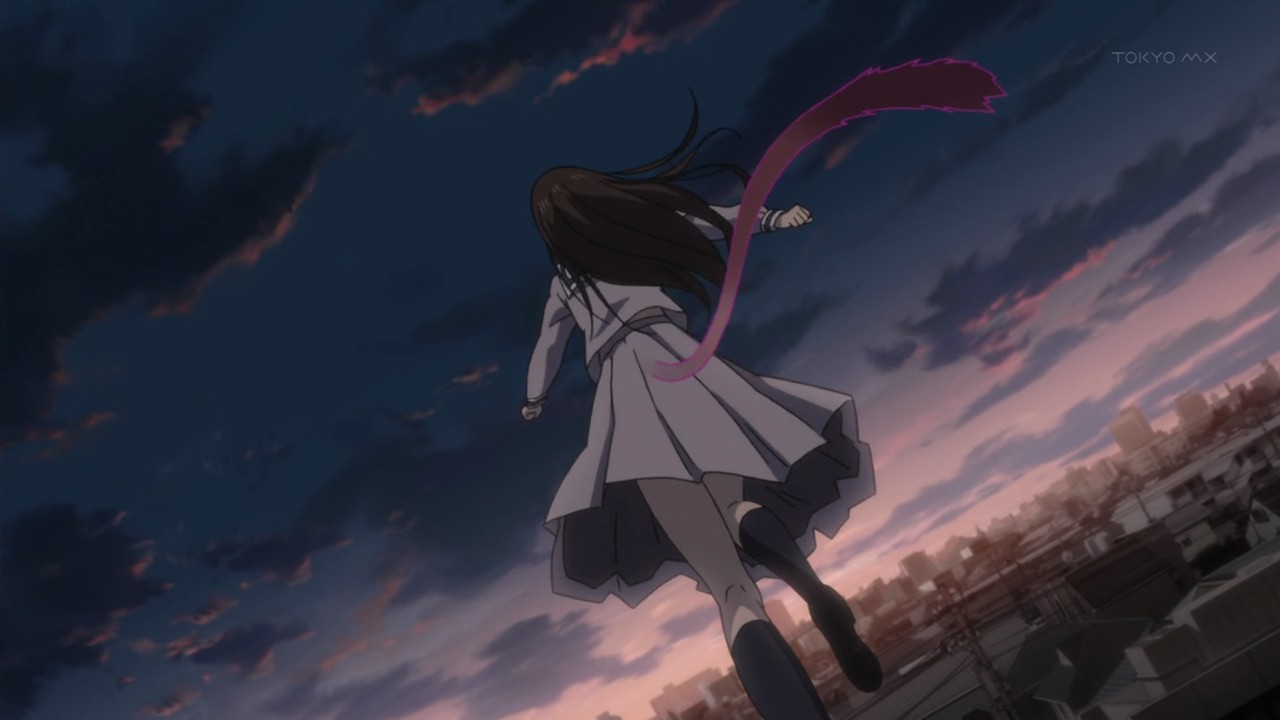
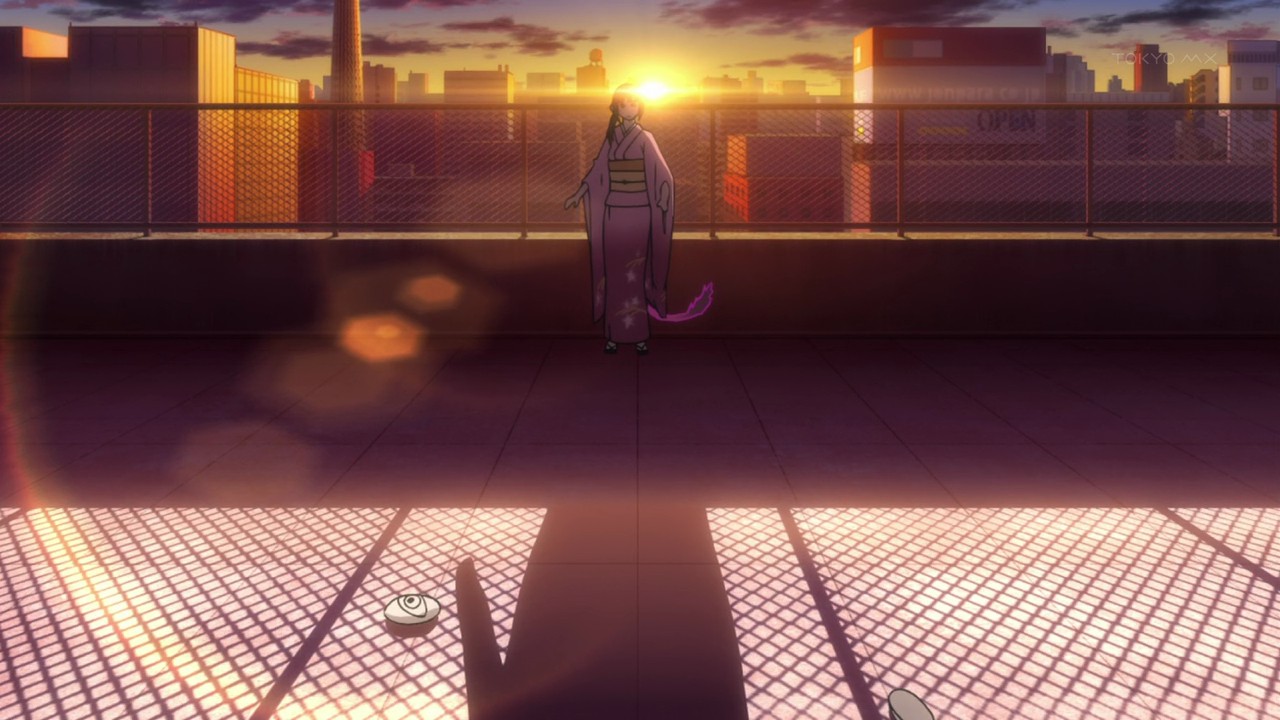
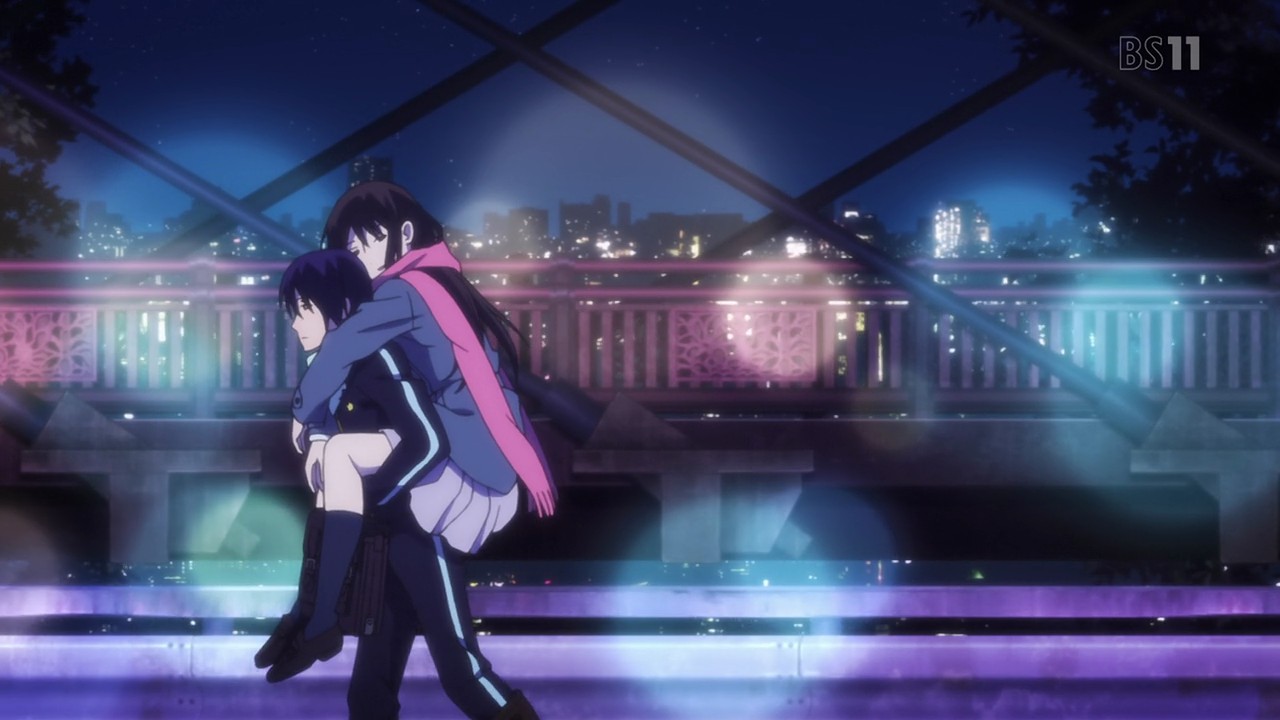
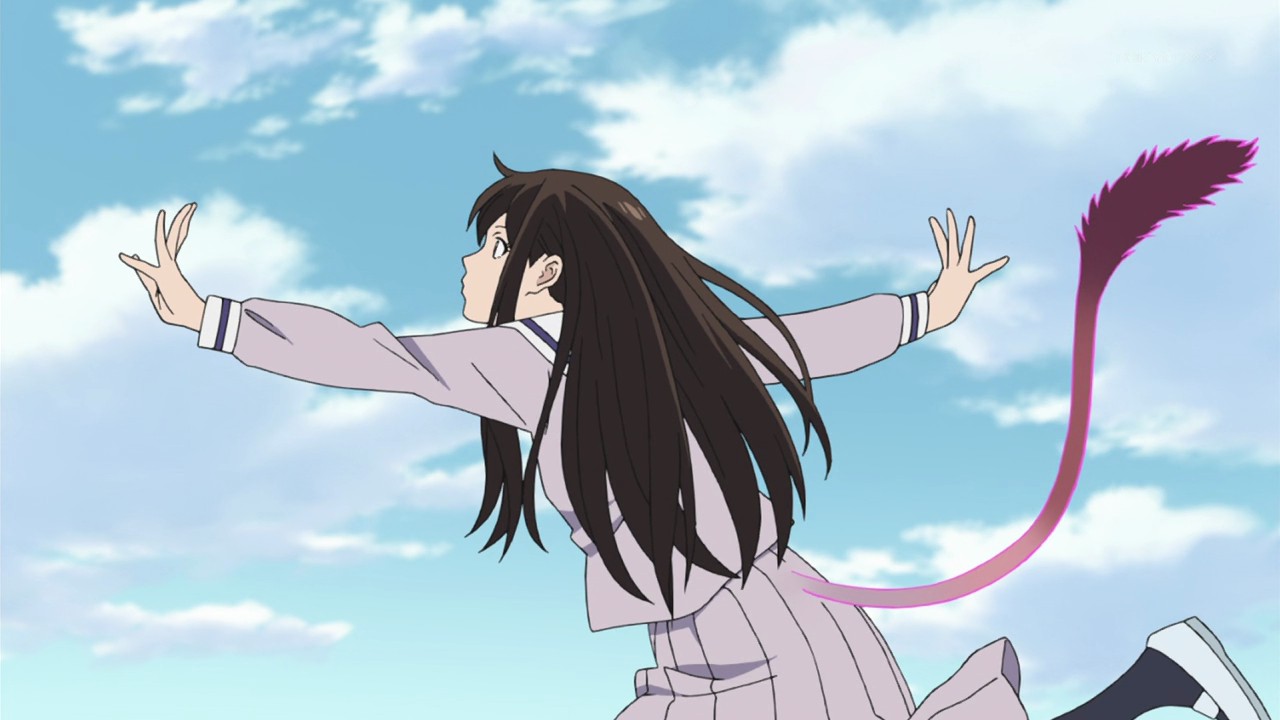
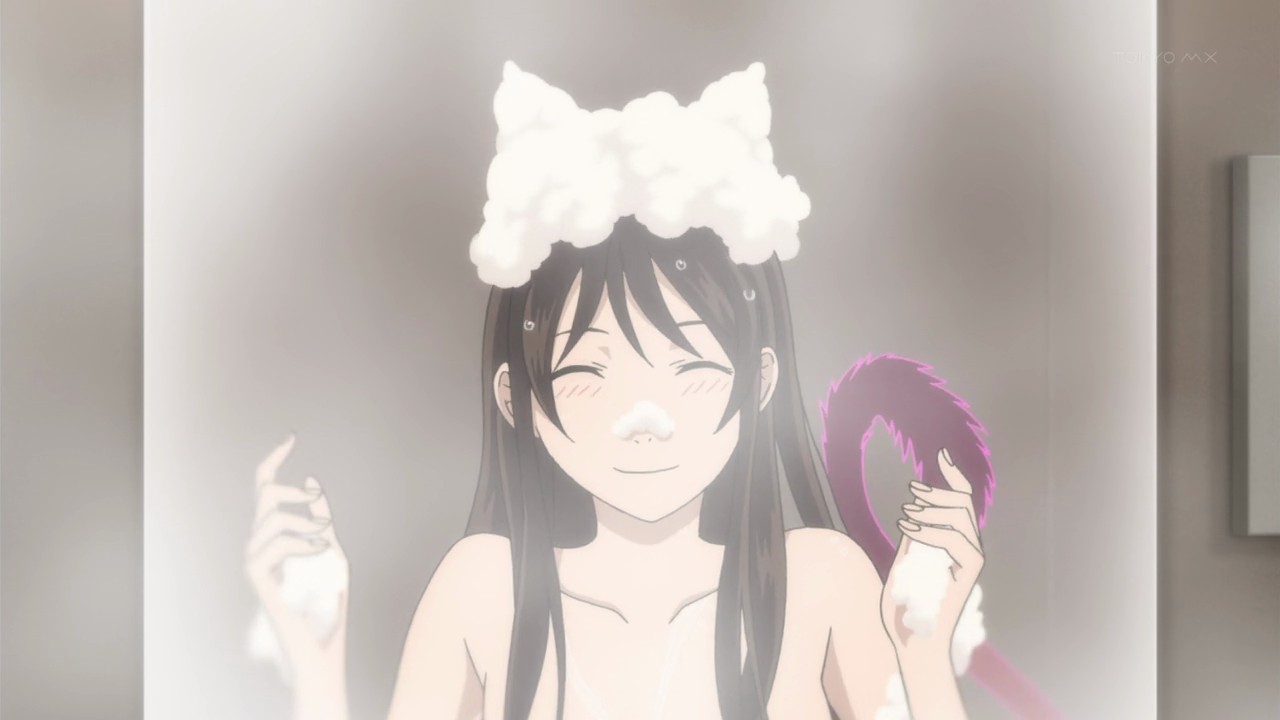
We’re told repeatedly that it’s not a tail: it’s Hiyori’s lifeline to her body. Even when she makes cat ears out of shampoo foam, definitely not a tail. It’s how the opening few episodes of Noragami (Stray God) go: what you, the audience, is thinking is not what it actually is. You might think given the episodic, borderline monster-of-the-week format that episodes one through five represent the entire series. They don’t. You might start to postulate how regalia are created once Yukine makes his entrance, going as far as to assume they’re the spirits of people who have committed suicide. They’re not.
from youthful rebellion to a roar of impotent teenage fury
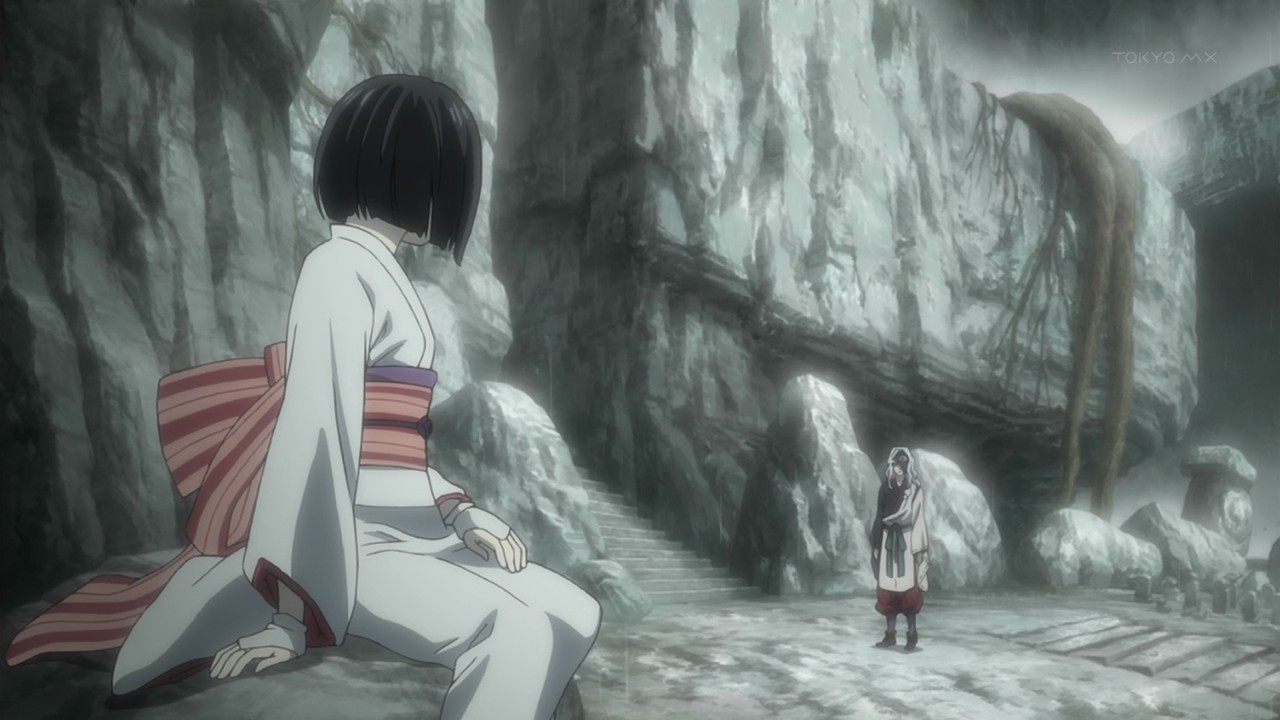
Defying its own premise and the initial evidence presented, Noragami is another example of why you don’t bet against studio Bones. Sure you get the odd dud like Darker than Black: Ryuusei no Gemini or the recent Eureka Seven: AO, but then you get gems like Un-go and yes, Noragami. At only a single season long (thus far), it is the story of Hiyori’s near-death experience and her half-in half-out status in the spirit world that introduces her to the stray god Yato and, eventually, his regalia Yukine. More subtly it’s also a story of family, understanding and sacrifice.
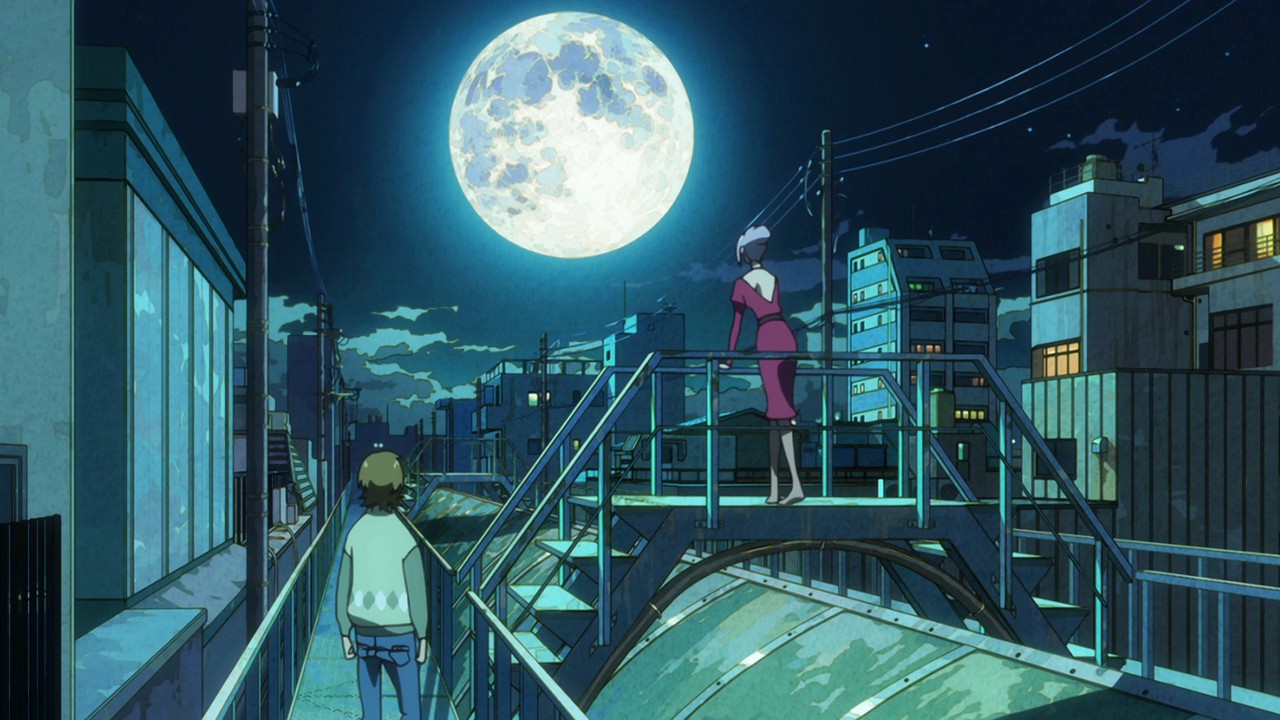
There’s something to be said for actually missing a show when you’ve finished watching it. Uchouten Kazoku (The Eccentric Family) left a small, peculiarly shaped hole where it once occupied my regular viewing. There’s nothing outwardly distinguished about the show - Kyoto is very pleasantly rendered, every character is well drawn and the story is quietly unique - but something about its structure and pacing lends itself to the same familiarity that lies at the heart of the titular eccentric family.
she conceals a profound sadness behind an abundance of courtesy and muted charisma
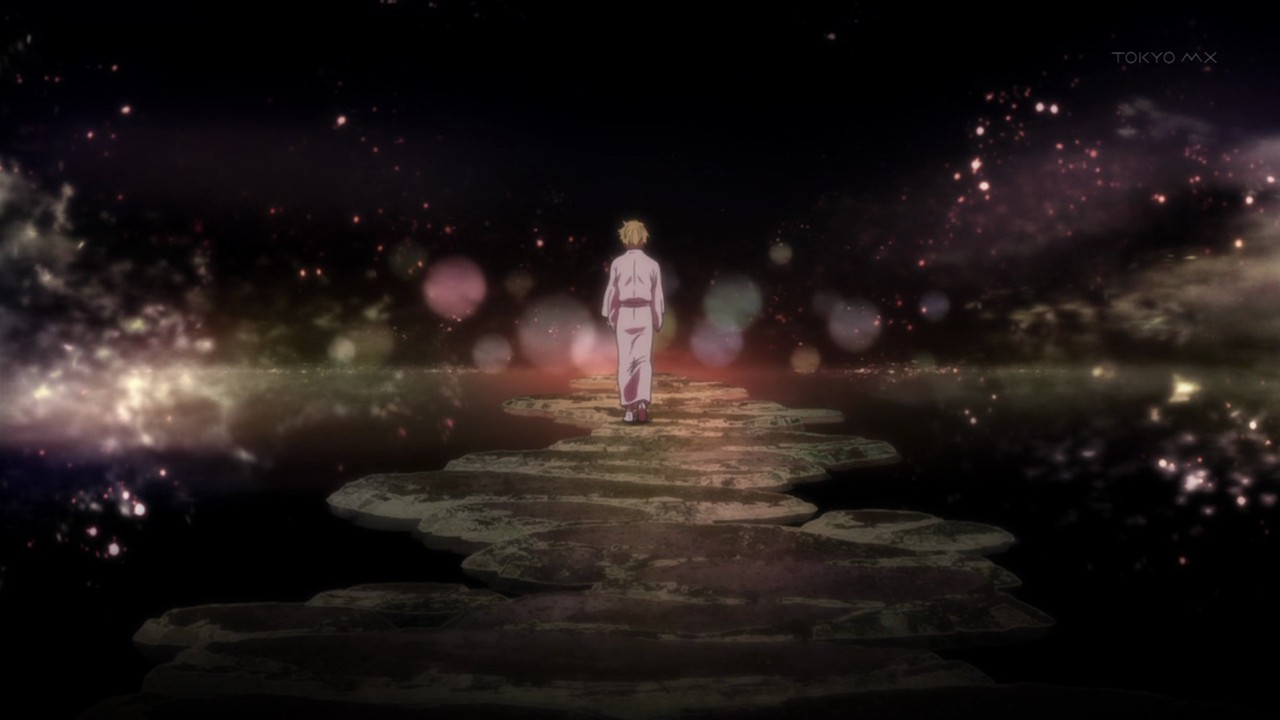
Focusing on the triumvirate of tanuki, tengu and human society - the lead is taken by Yasaburo, a teenage tanuki layabout who splits his time between transforming into various human guises and looking after the curmudgeonly old tengu, Yakushibou. It transpires that shortly before the events of the series, the father of Yasaburo and his three other sons passed away via, what is for tanuki, natural circumstances.
Nisemonogatari is a very understanding series. It understands the difference between pornography and eroticism is a fine line and gyrates provocatively on the latter side. It understands that by emasculating the protagonist and slavishly worshipping the otherwise entirely female cast it champions misandry over feminism. It understands family members transcend the commonly held notions of love and hate and that often reason and logic don't apply. It also understands, and this is crucial, that as a phenomenon, the Monogatari franchise (including Bakemonogatari before and the upcoming Kizumonogatari film) are fleeting. And damned if it isn't going to burn magnesium bright while it can.
inspires slavish devotion and cultish adoration because it has passion circulating in its veins
All the pieces from Bakemonogatari are in place here: art and animation that sucker-punch the retinas, banter that strafes wit and tedium and a supernatural affliction story framework for support. Like Akiyuki Shinbo's previous role as director with studio SHAFT the production is, sometimes pompous, but always slick and confident and plays strongly to the intended audience. Specifically, eroticism for otaku. Not the flesh markets that series like Queen's Blade, Yosuga no Sora or Ladies versus Butlers are, but understanding how to titillate rather than satiate and the confidence to put the story on hold for an episode to indulge in this.
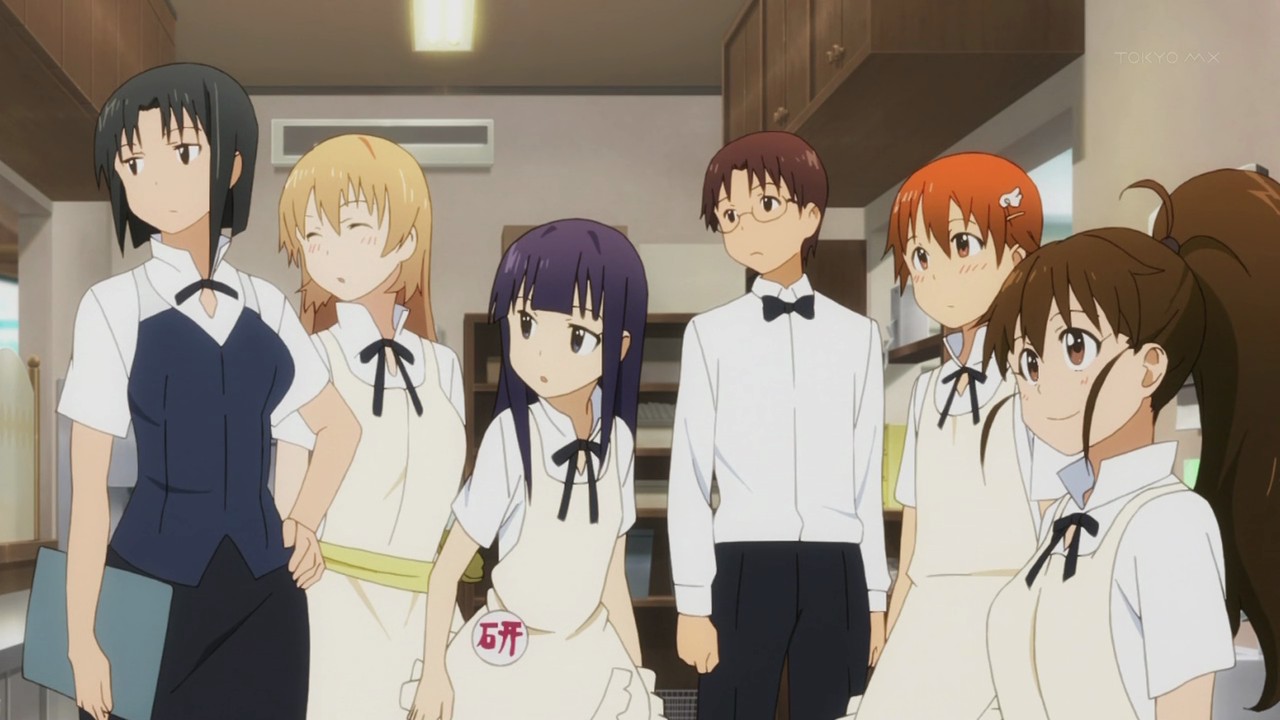
On the surface Working`!! has very little going for it. Sliding off the back of the first series the second introduces no major new jokes or any characters of substance, the animation is scrappy and there's no drama that isn't wholly manufactured. Telling then that the most exciting part is when Matsumoto - the eternal cameo - is gifted a voice and takes part, albeit in a small way, in the ongoing story. Against all of this, somehow everything clicks together and works.
often situations are resolved with a rare outbreak of sensibility but just as many are run unceremoniously into the ground
This is mostly thanks to a core set of characters which play off each other very well, making sure that no personality (foibles and all) is allowed to dominate. So the sparky Taneshima remains the most enjoyable character thanks to her indomitable good nature, but her clashes with Satou are kept spaced apart, providing brilliant but occasional visual humour. Likewise Takanashi, who exists on the knife-edge of creepy and eccentric, interacts more with Satou and Souma now and his baffling relationship with Inami is kept restrained.