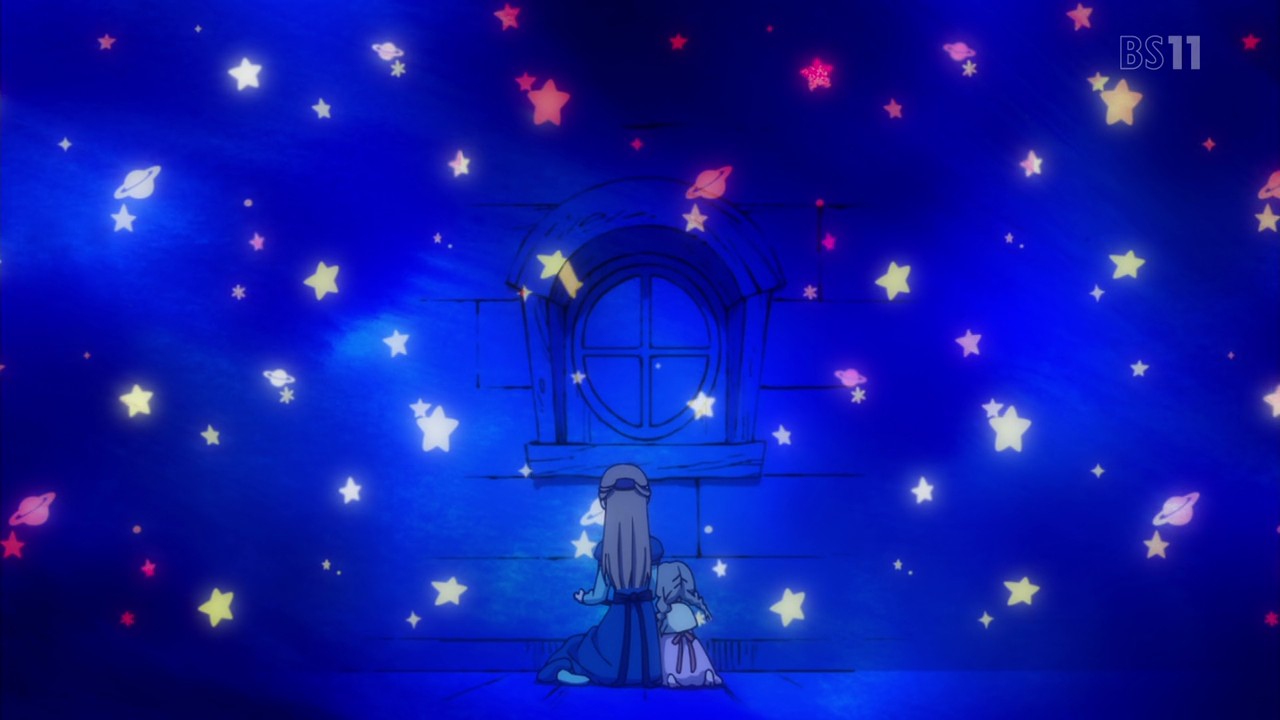
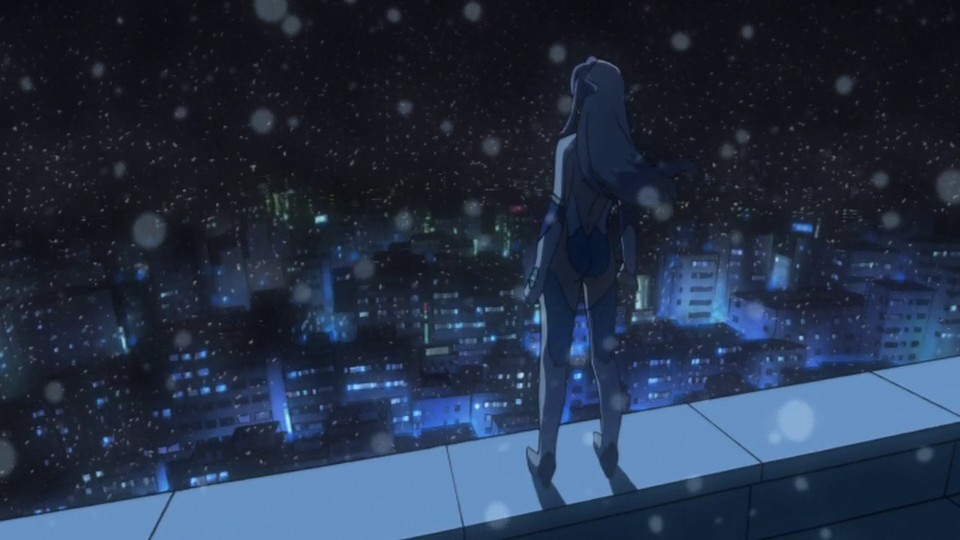
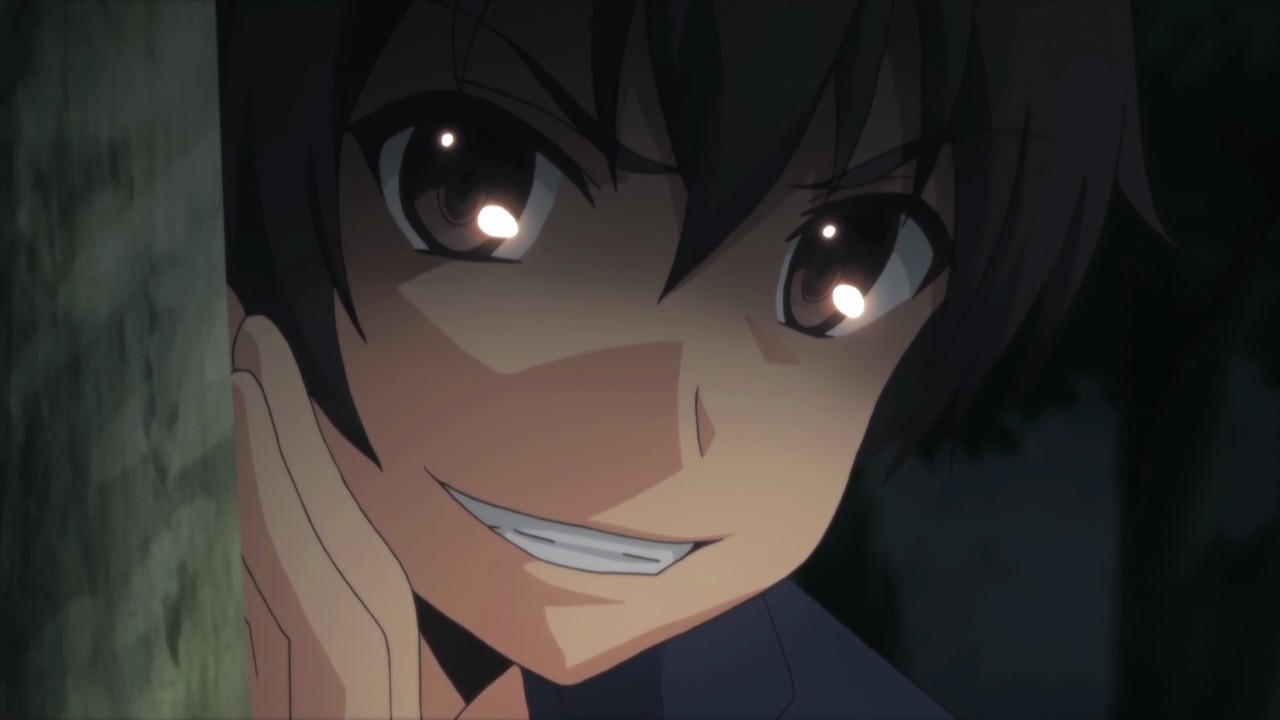
Lesbian Bear Storm (Yurikuma Arashi). Let that title sink in for a bit because as titles go, it’s particularly on the nose. Especially so for director and writer Kunihiko Ikuhara whose previous directorial works - Utena and Penguindrum - relied on a slightly less blatant approach to themes and tone.
represents only the visible part of this Ikuhara iceberg
Blunt force is the order of the day here though because from the repeated character refrains through to the imagery and structure of each episode, this is a series that will bludgeon you with its message rather than hide it subtext and inference. What it lacks in subtlety then, as has become a trait of the director’s anime series, it makes up for in layers and symbolism.
A review of the Shigatsu wa Kimi no Uso anime series
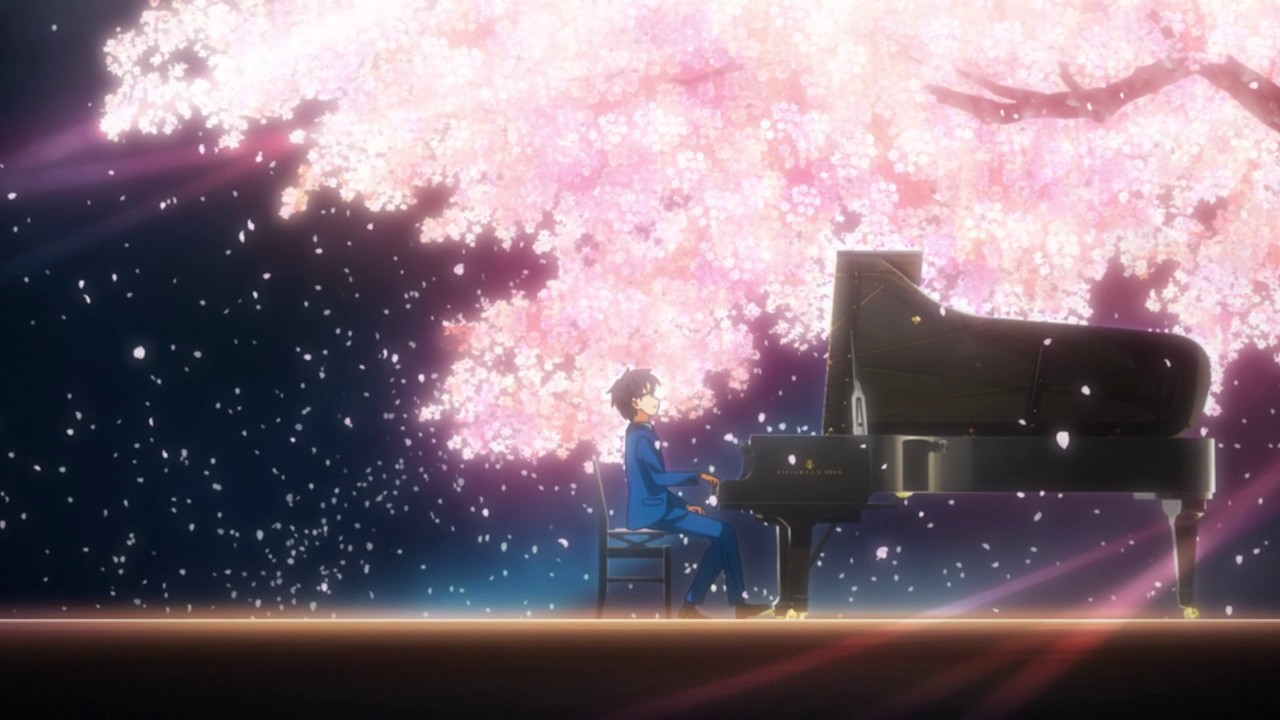
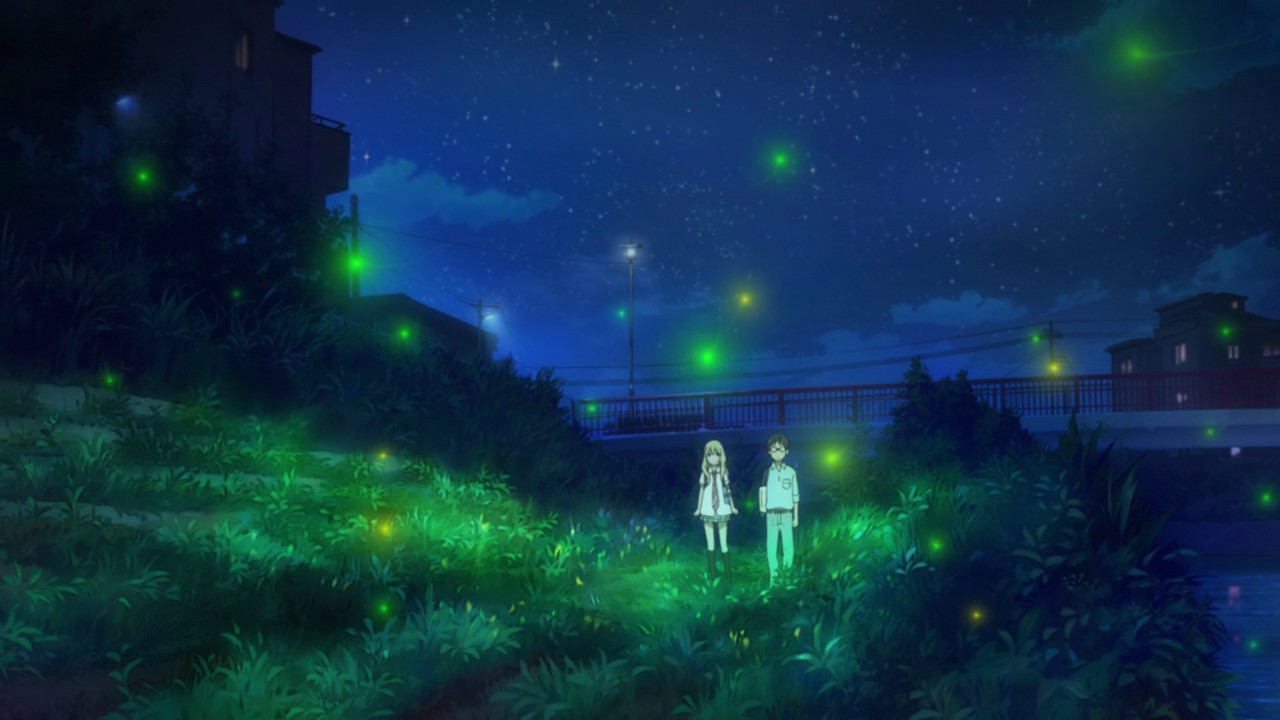
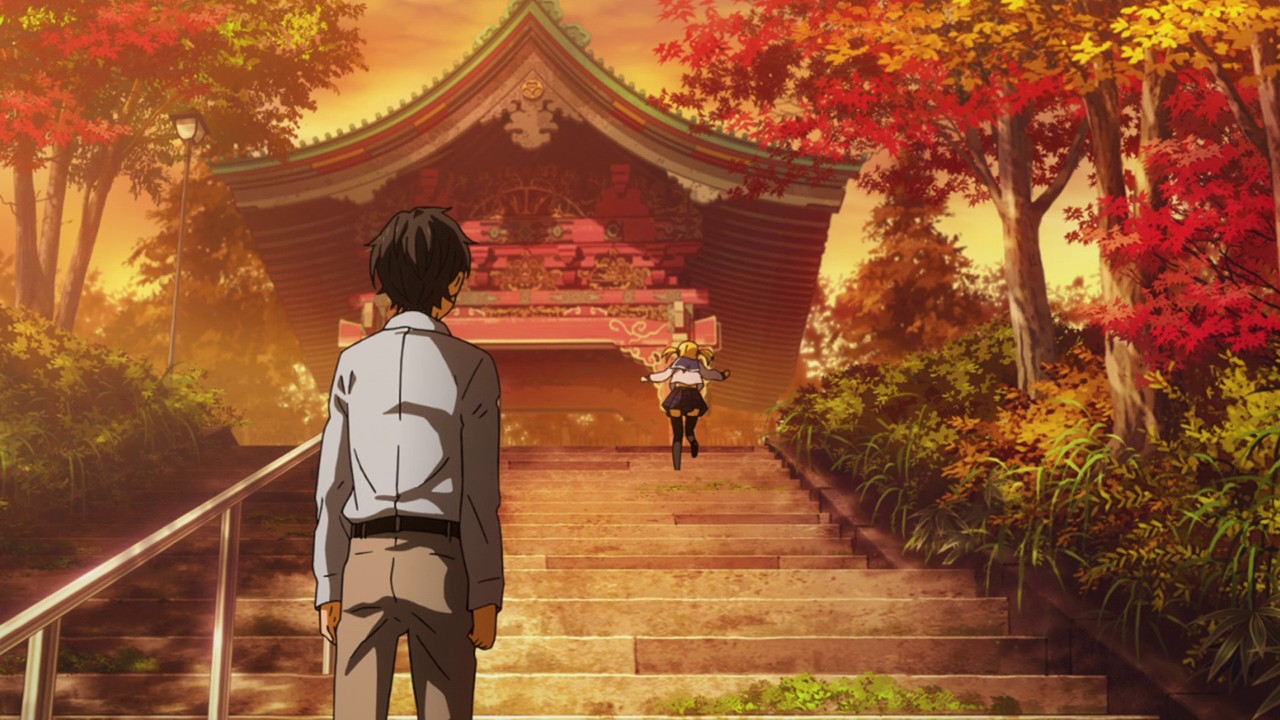
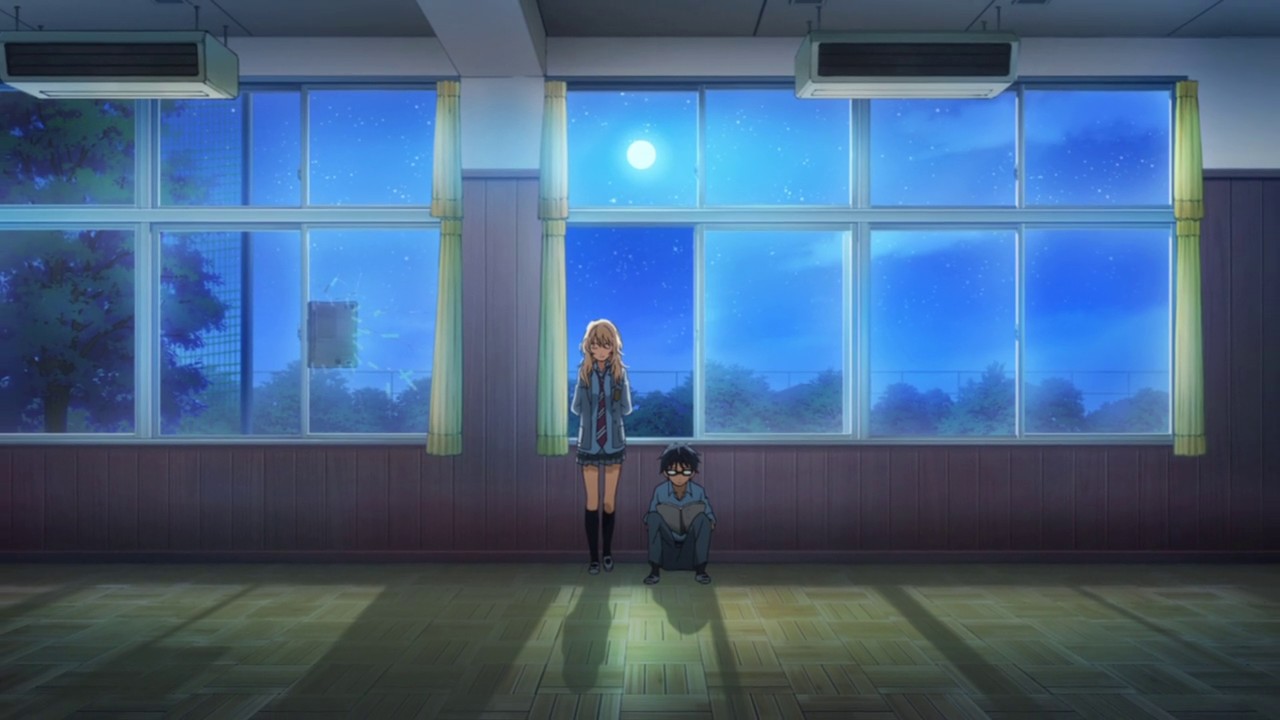
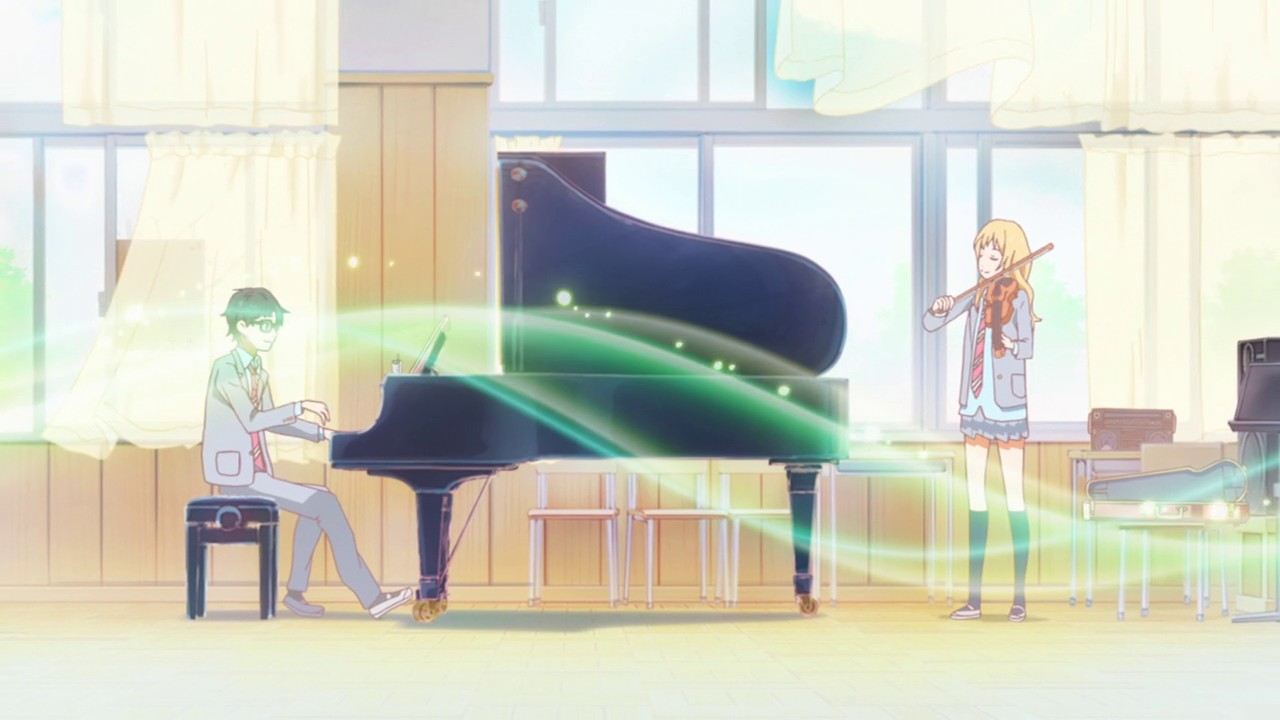
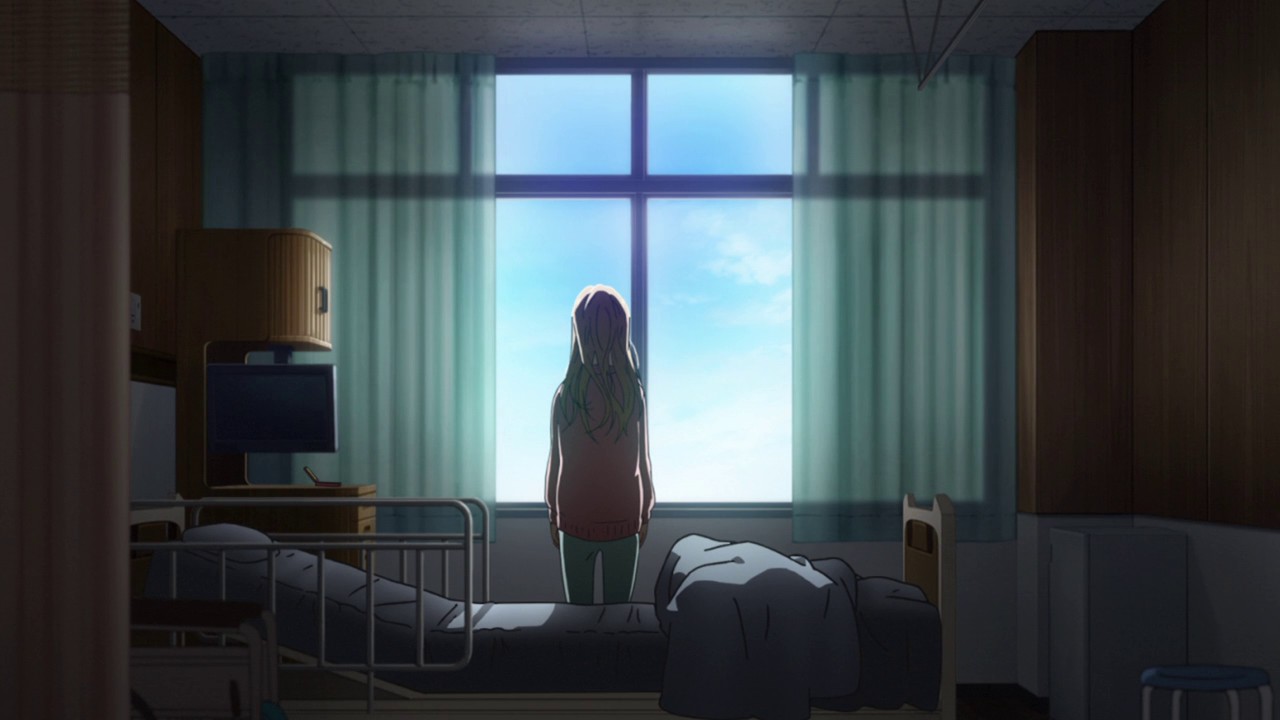
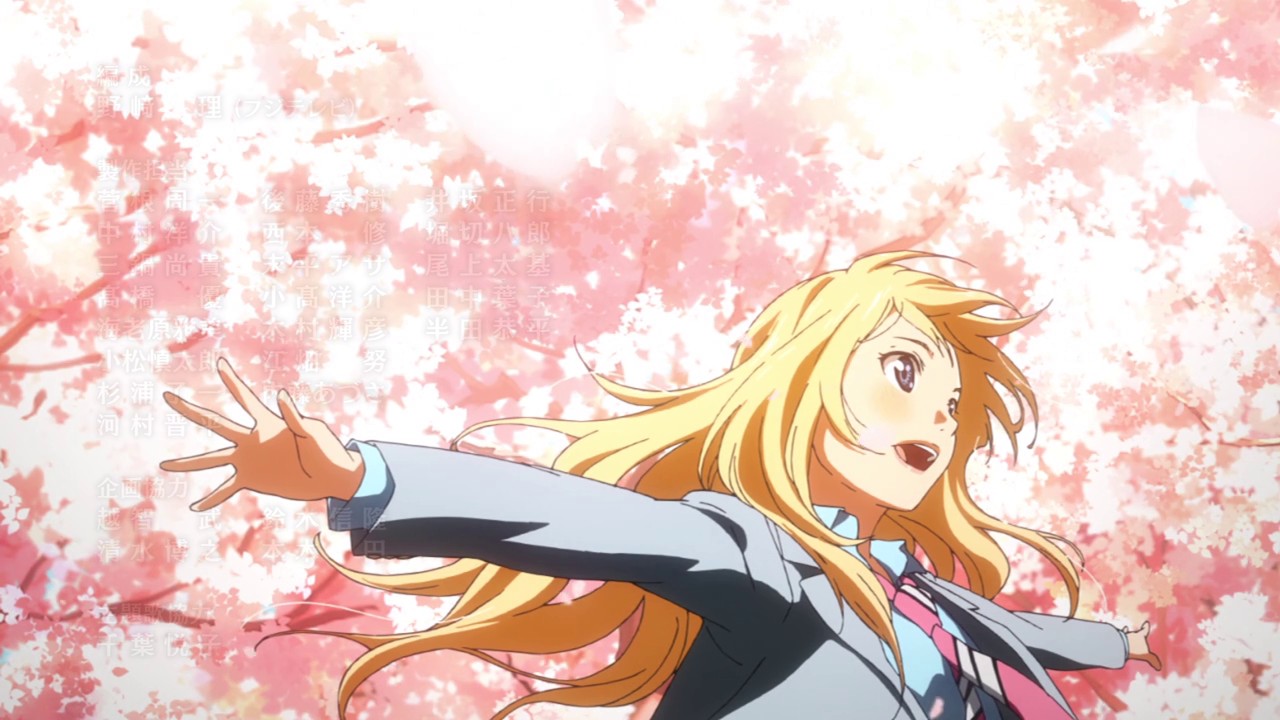
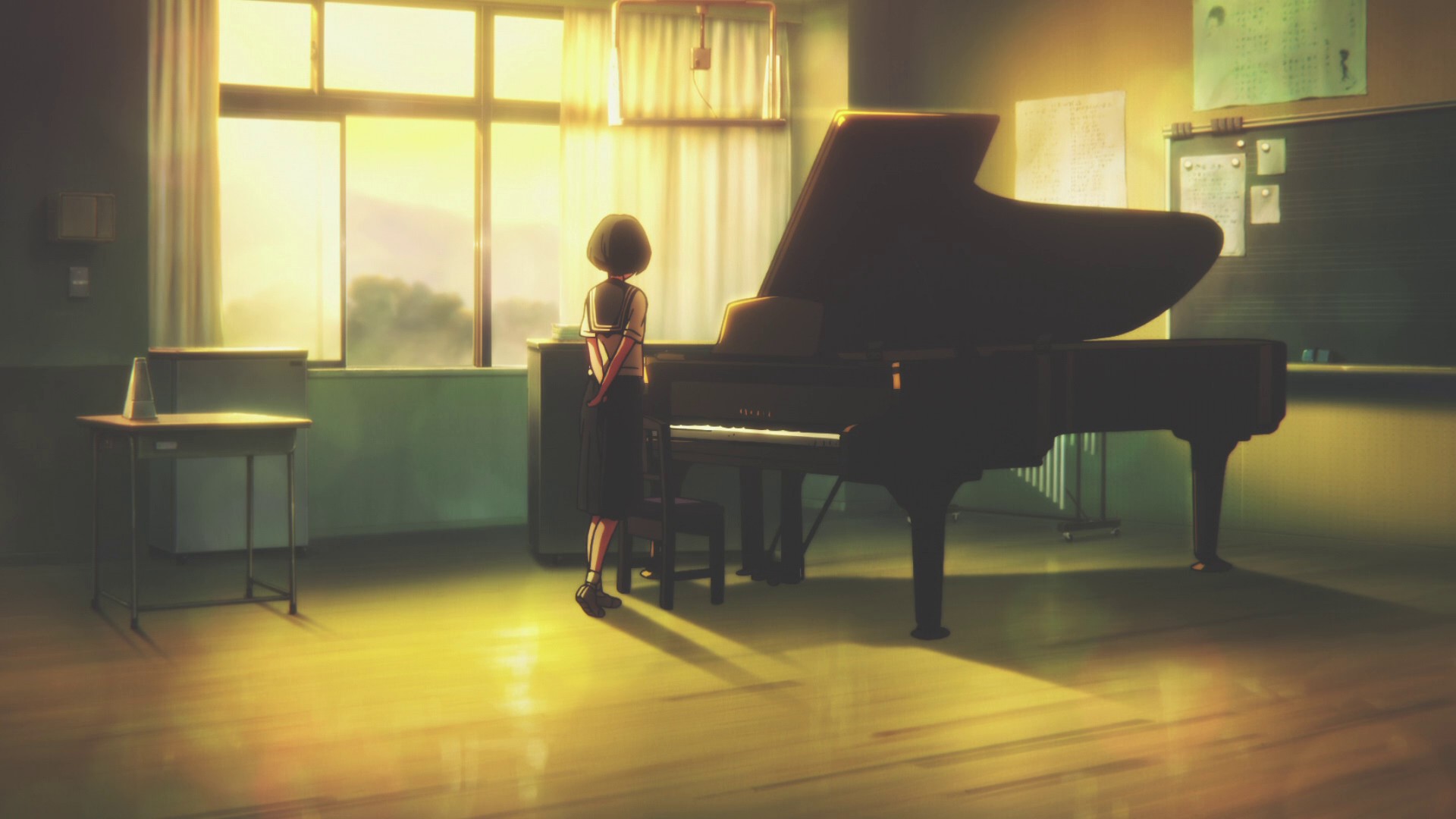
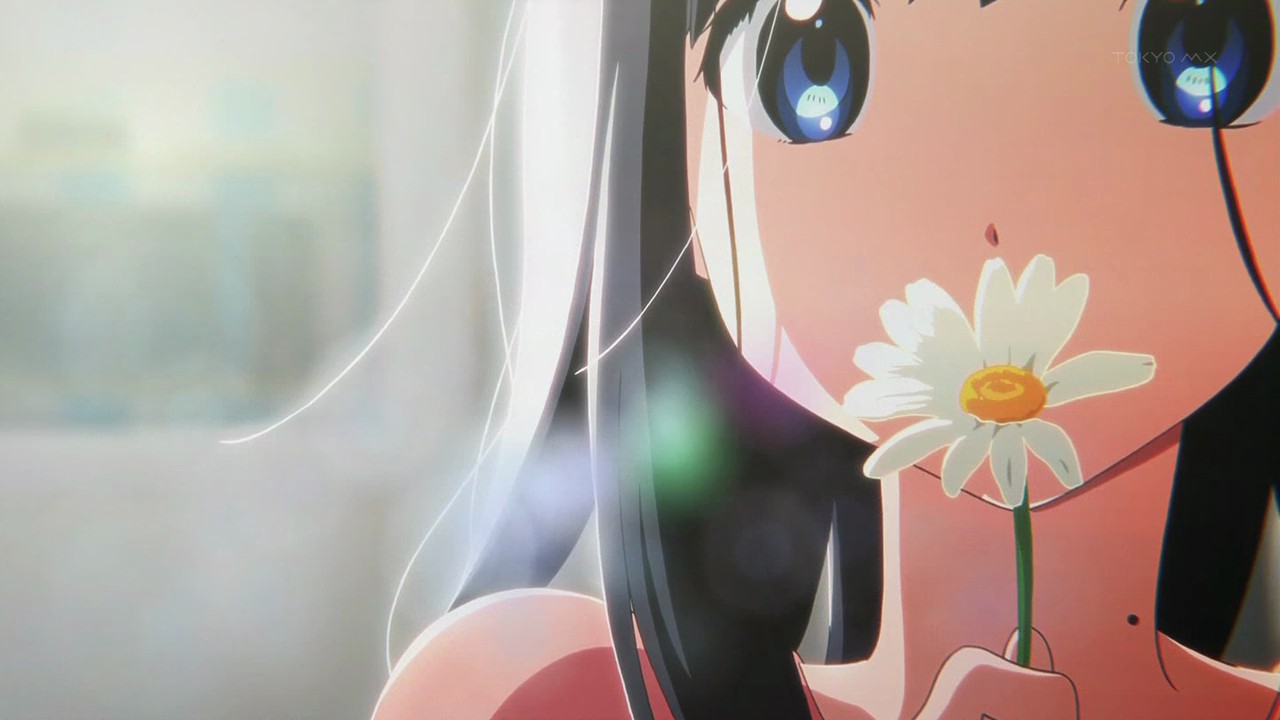
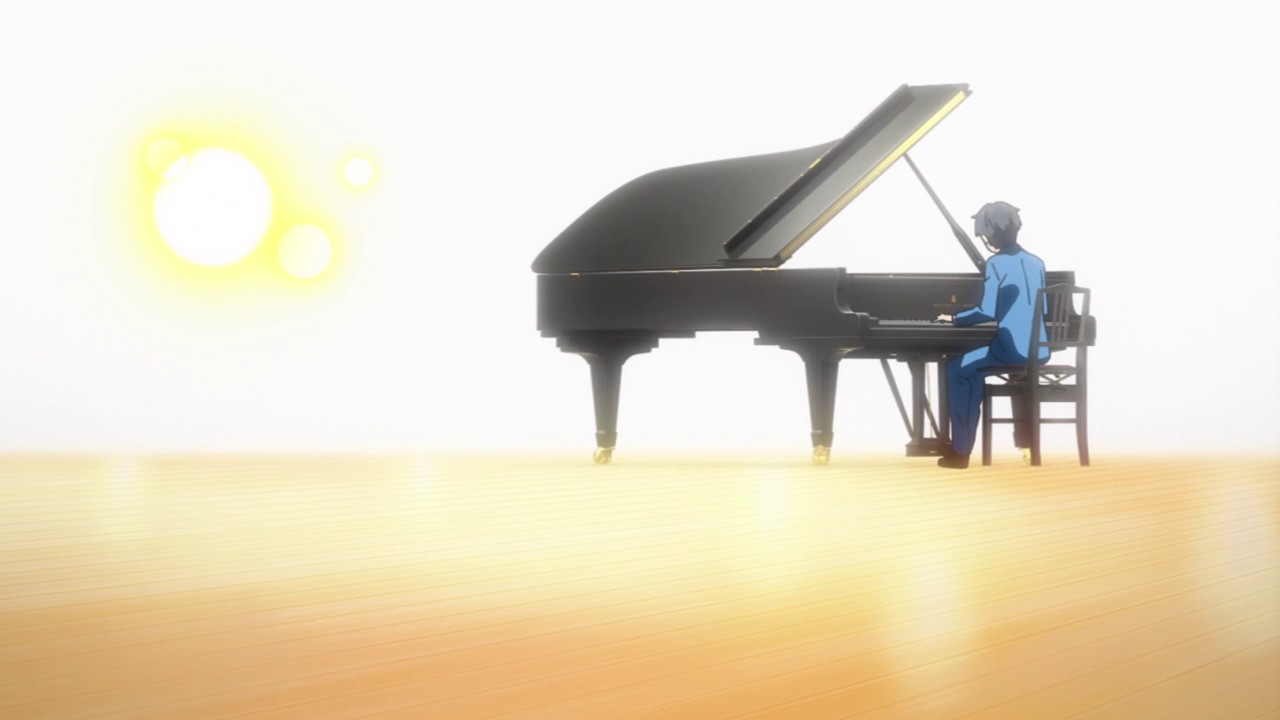
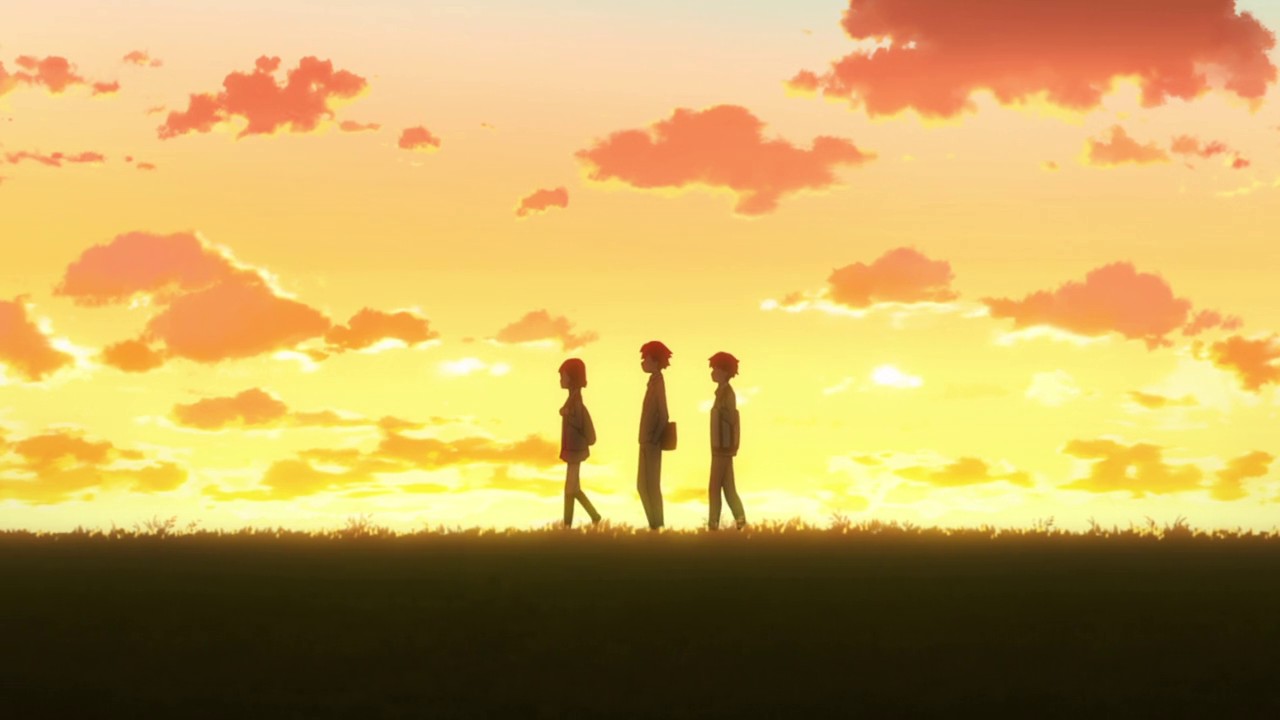
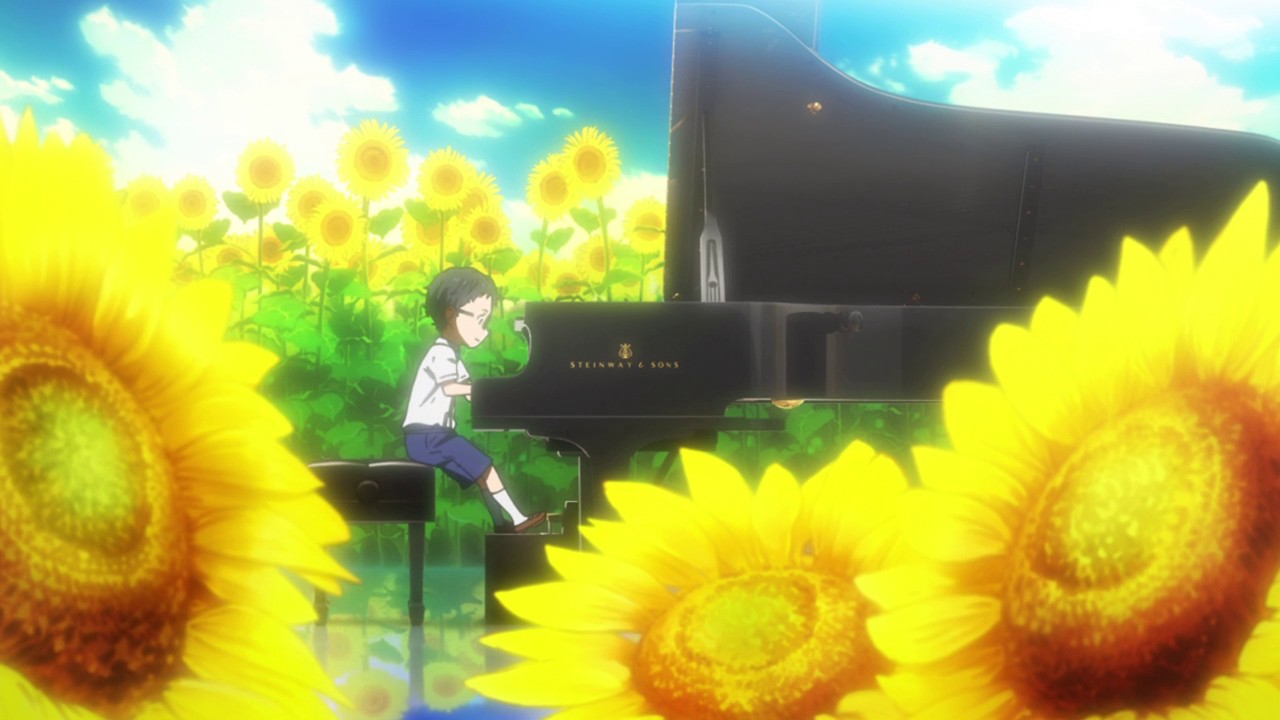
I felt like a monster after the final episode of Shigatsu wa Kimi no Uso (Your Lie in April). The ending was always going to go one of two ways and I was braced for either one: agonising tears or delirious happiness. I certainly didn’t expect to feel nothing. All these other people gushing tears, drowning in hyperbole, and there I was, indifferent. I had cheered Kousei Arima on through the bright lights of stage performances and honey-lit afternoon walks home but in the denouement I realised that all the individual things that irked me about the series had gathered like so much detritus on a beach and was now spoiled.
he is lionised, an indestructible prodigy and a mountain that must be conquered
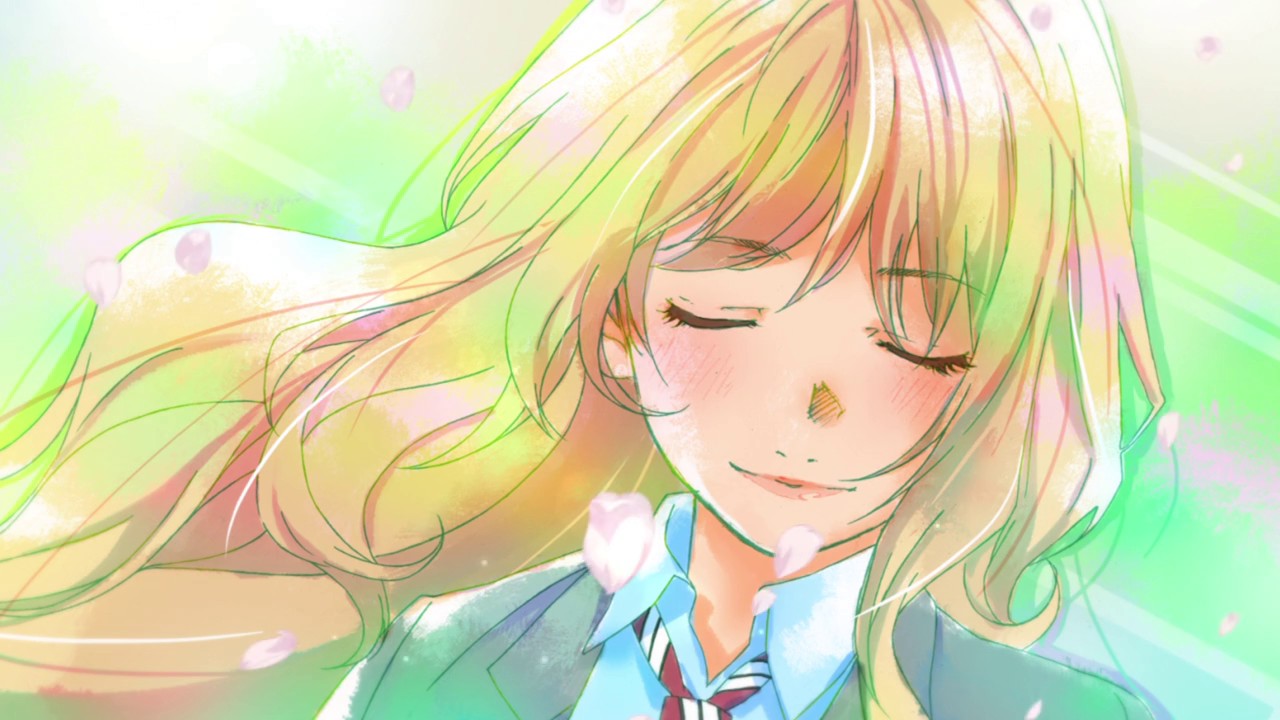
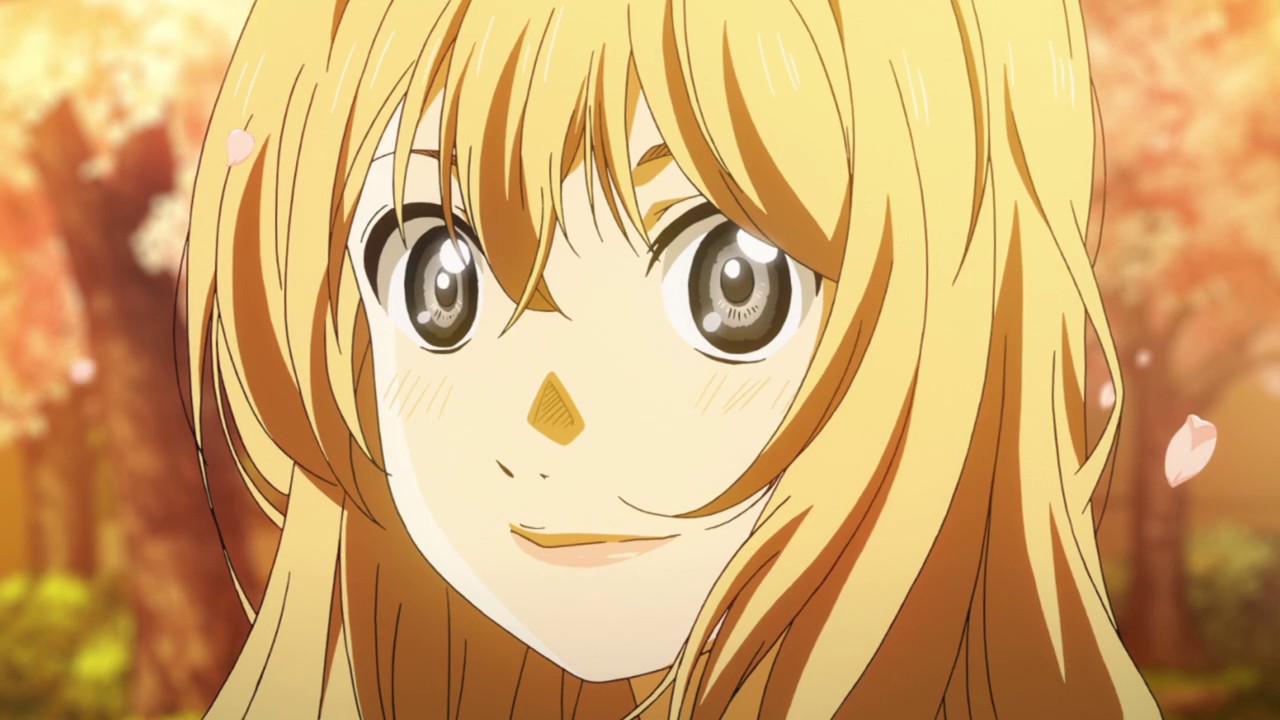
I knew what I was getting in to of course. Awash with pastel shades and misty eyed teenagers this was a romance series first and foremost with the “musician’s heart” narrative the tempo to the love story melody. Kousei starts out unable to play the piano, supposedly a prodigy from a young age, he is invited on a date by his best friend and serial flirt Ryouta where he meets the series’ poster child, Kaori Miyazono.
A review of the Rokujouma no Shinryakusha?! anime series
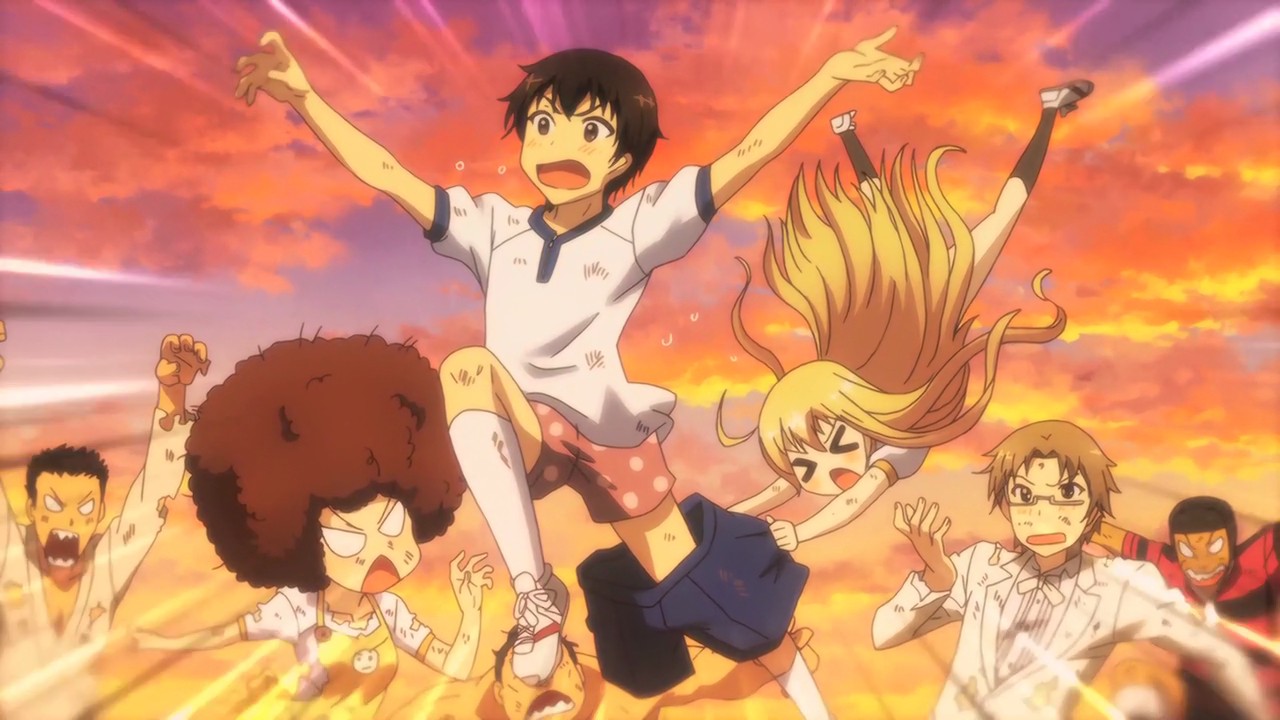
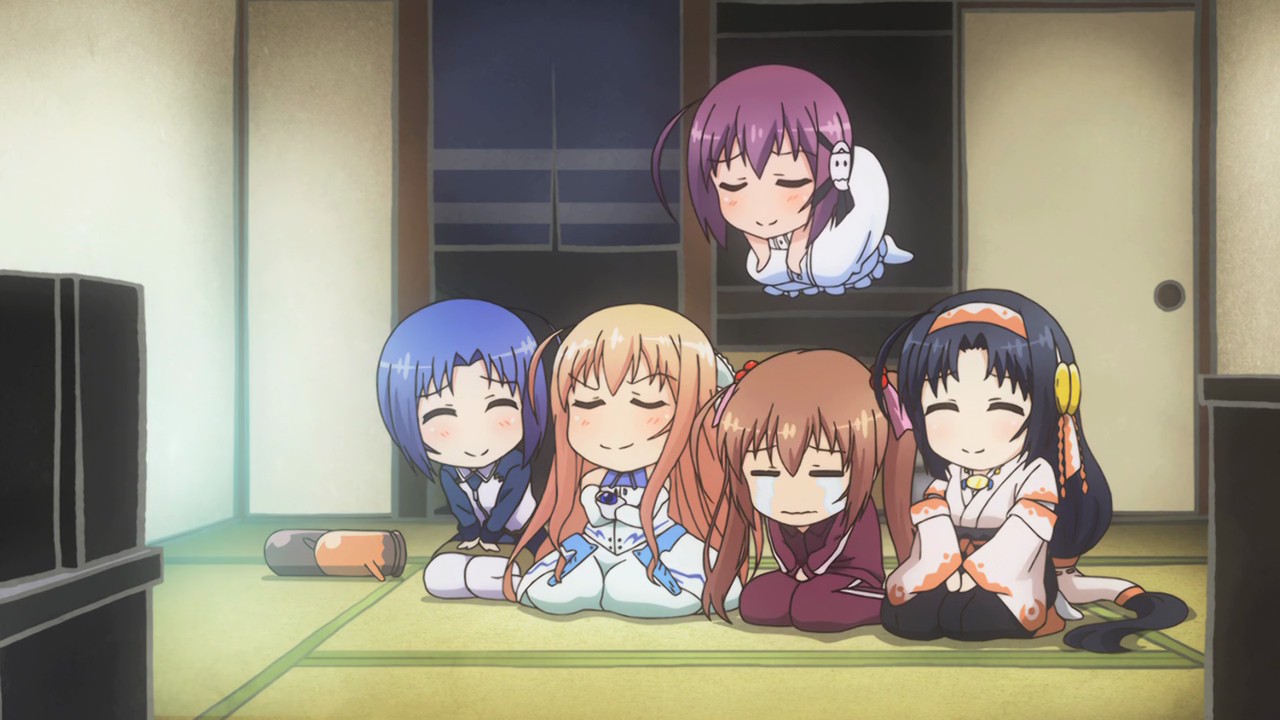
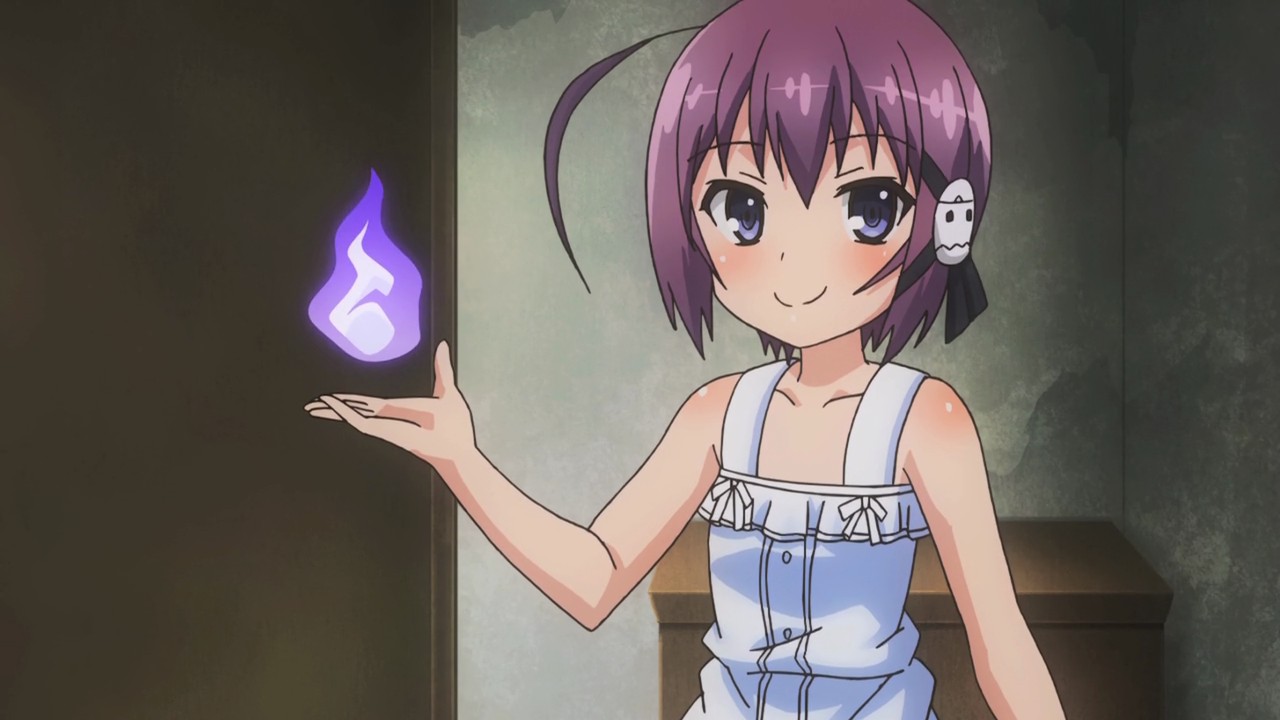
Wark, wark! That’s the harem alarm, clear and true. If there was ever a set up in anime so overused as the harem, I haven’t seen it yet. That doesn’t stop Rokujouma no Shinryakusha?! (Invaders of the Six Tatami Mat Room?!) though which, after a deceptively promising first episode, pulls out all the tropes you’ve come to expect from packing that much oestrogen into a single location.
they don’t spend the entirety of their waking life fawning over the central male
It’s the first episode that convinced me to continue with the series though. Highschool boy moves into a cheap dorm room, finds out it’s haunted. Haven’t heard this one before… But then a princess from outer space claims the room for herself, followed by a magical girl claiming it’s a mystical convergence, followed by an “Earth person” from underground who wants to use it as a bulwark for an invasion. It certainly goes for the “throw everything and see what sticks” premise, but the potential for a series that sees the different invaders squaring off against one another in order to occupy the apartment (spiritual convergence, magical nexus etc.) seemed like a pleasant twist on what usually passes for a story hook.
A review of the Tamako Market and Tamako Love Story anime
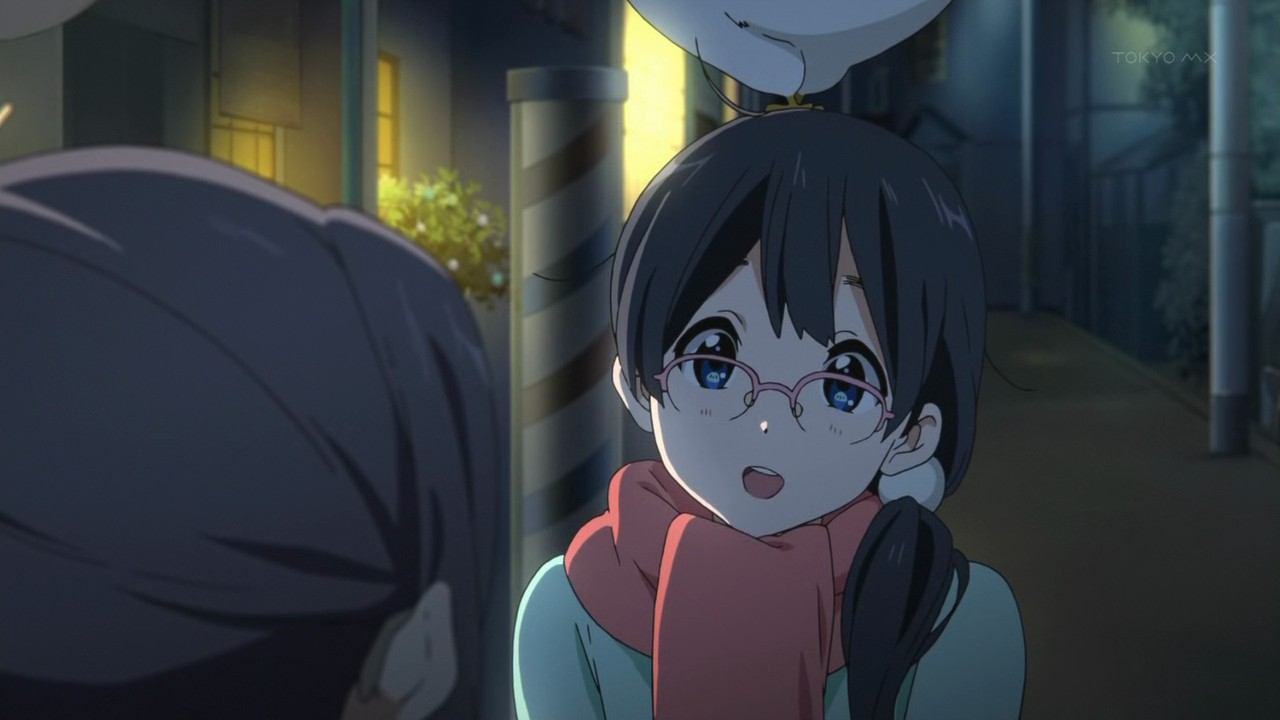
Tamako Market was always a bit of a mongrel when put up against other Kyoto Animation productions. Coming after the first season of otaku targeted Chuunibyou and before the first season of the, one presumes predominantly female targeted, Free!, Tamako Market certainly didn’t set the world on fire like K-On! did, Naoko Yamada’s previous directorial role, and it seemed to sink without a trace after airing early 2013. So the series sat forlornly in my “Watched” folder, awaiting some kind of spark that would elicit more than a disinterested shrug whenever I considered writing about it.
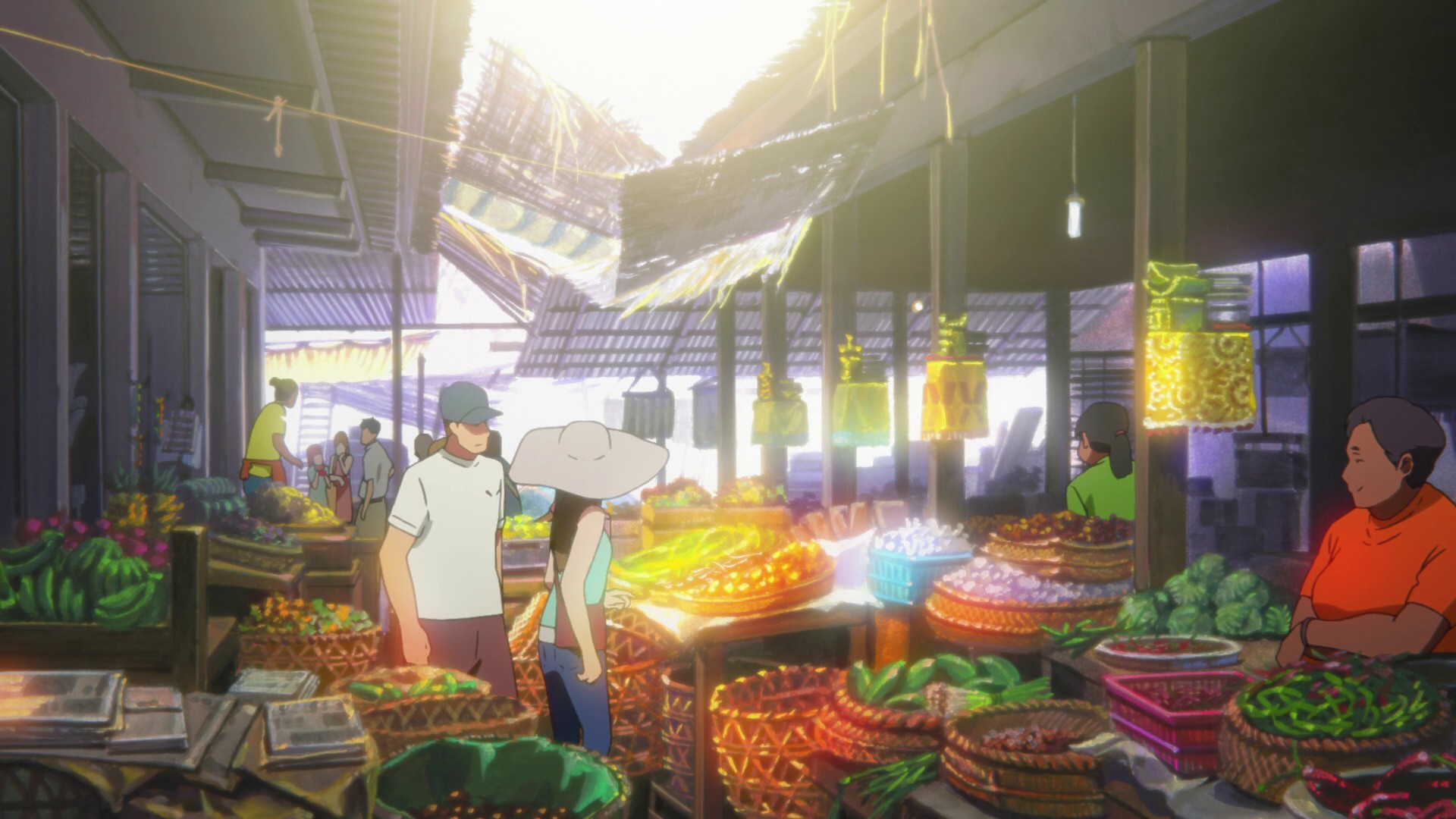
this is an endless summer with deep ocean skies and flesh pink sunsets
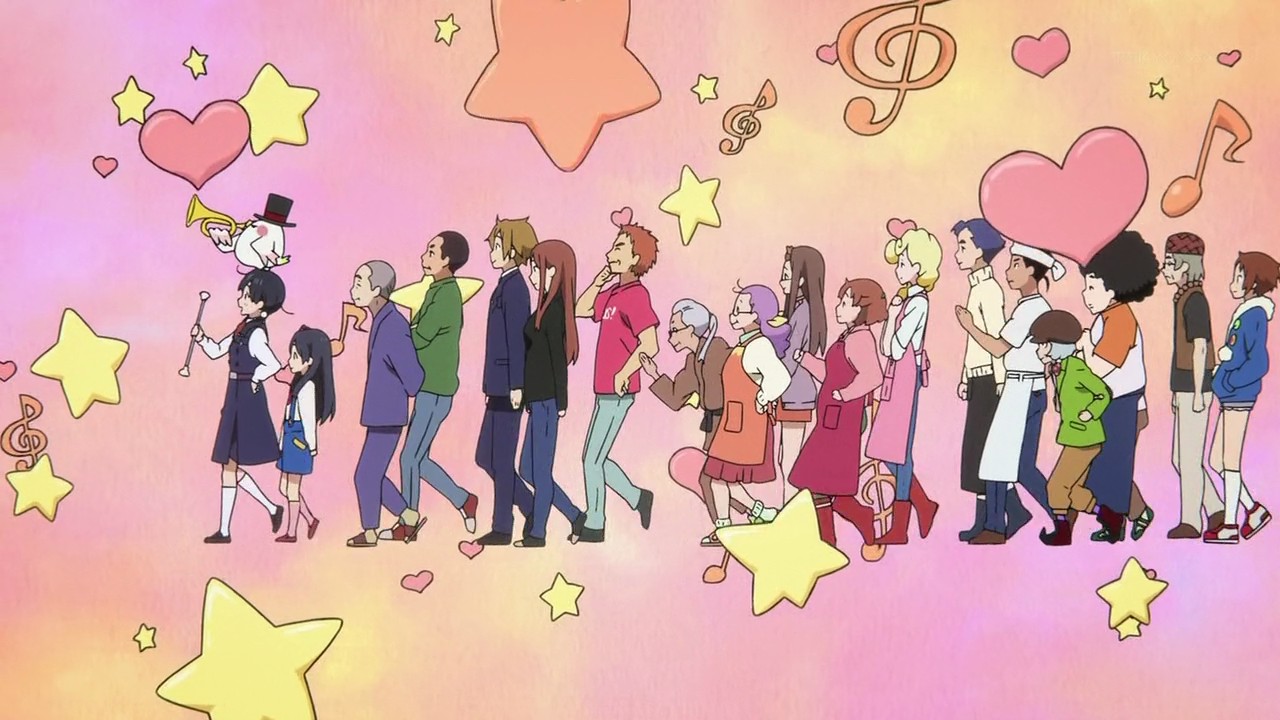
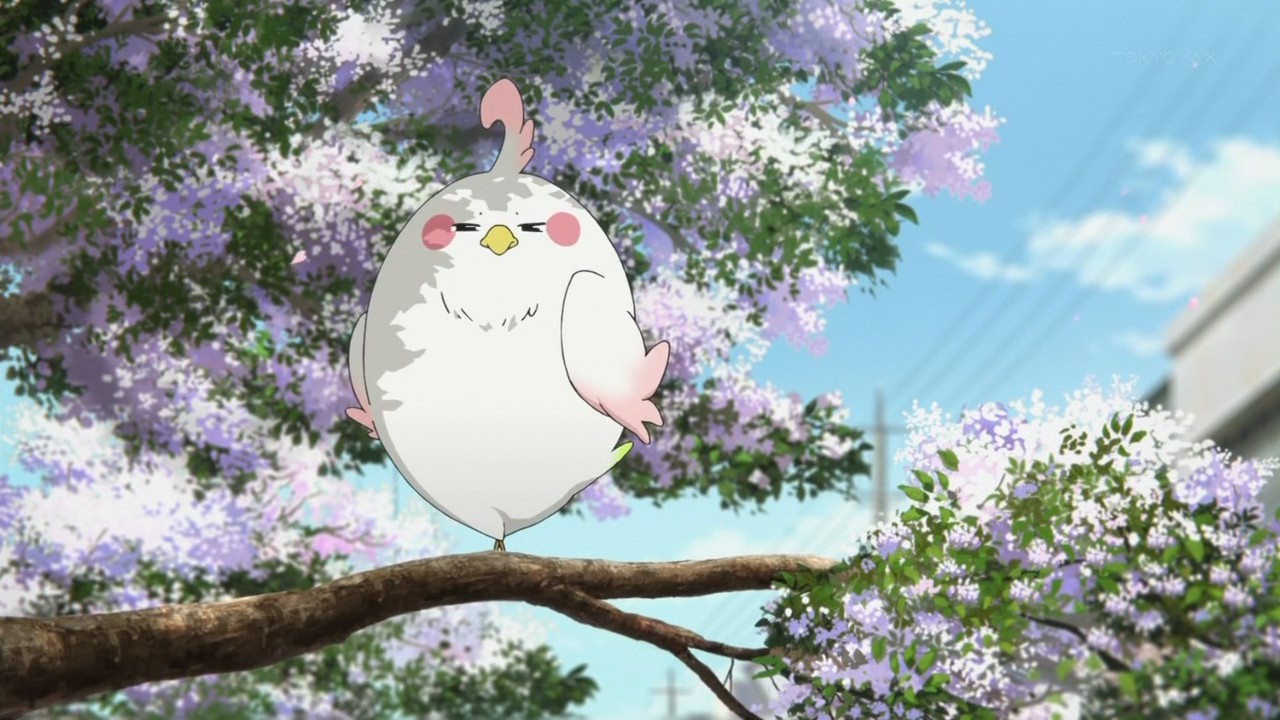
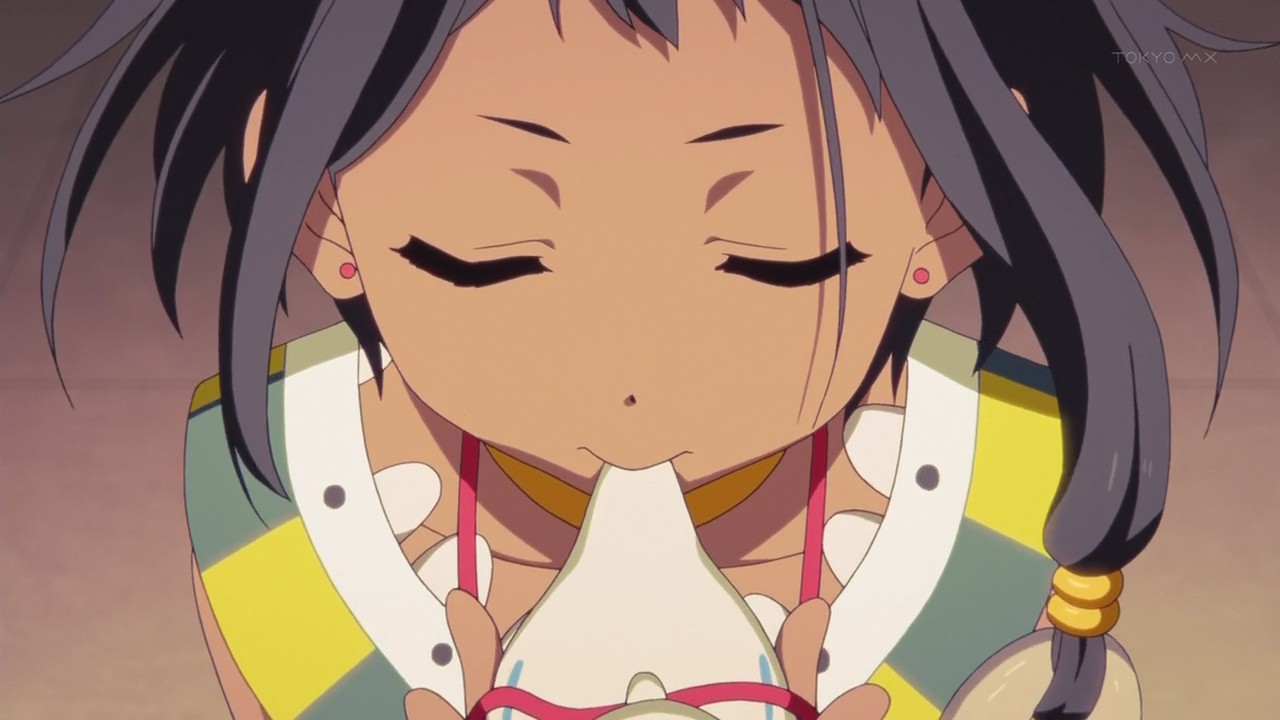
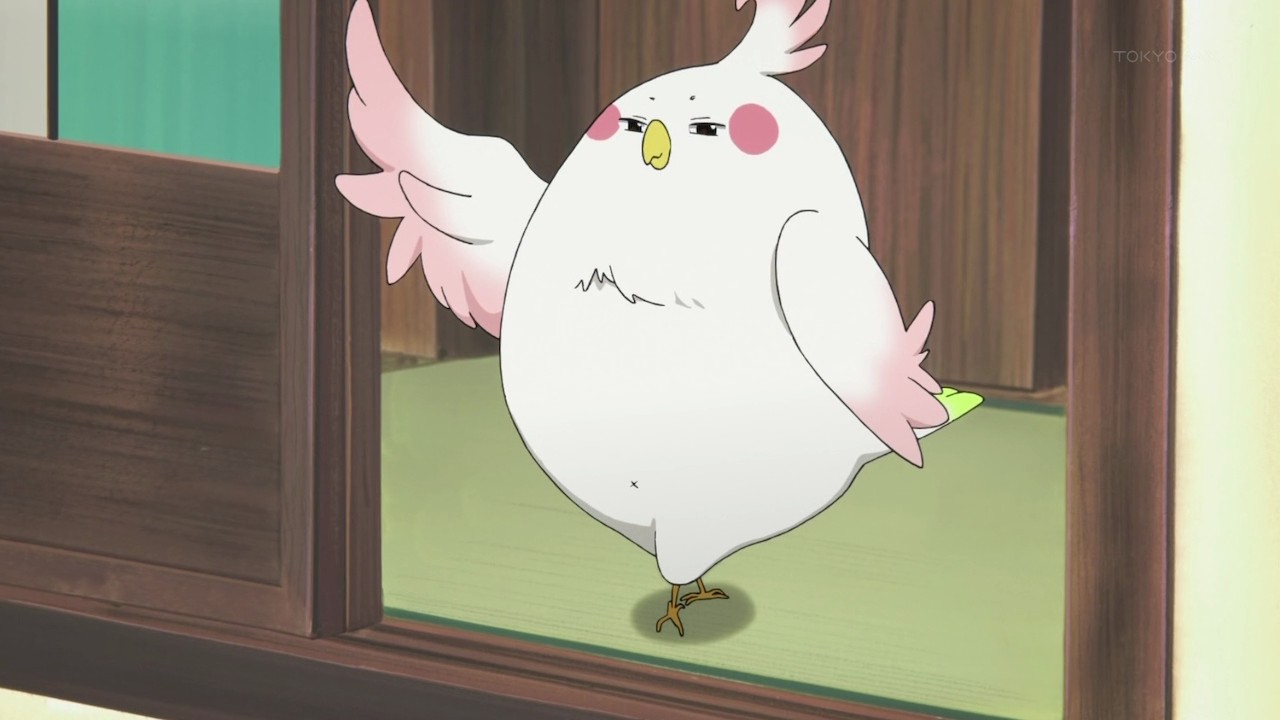
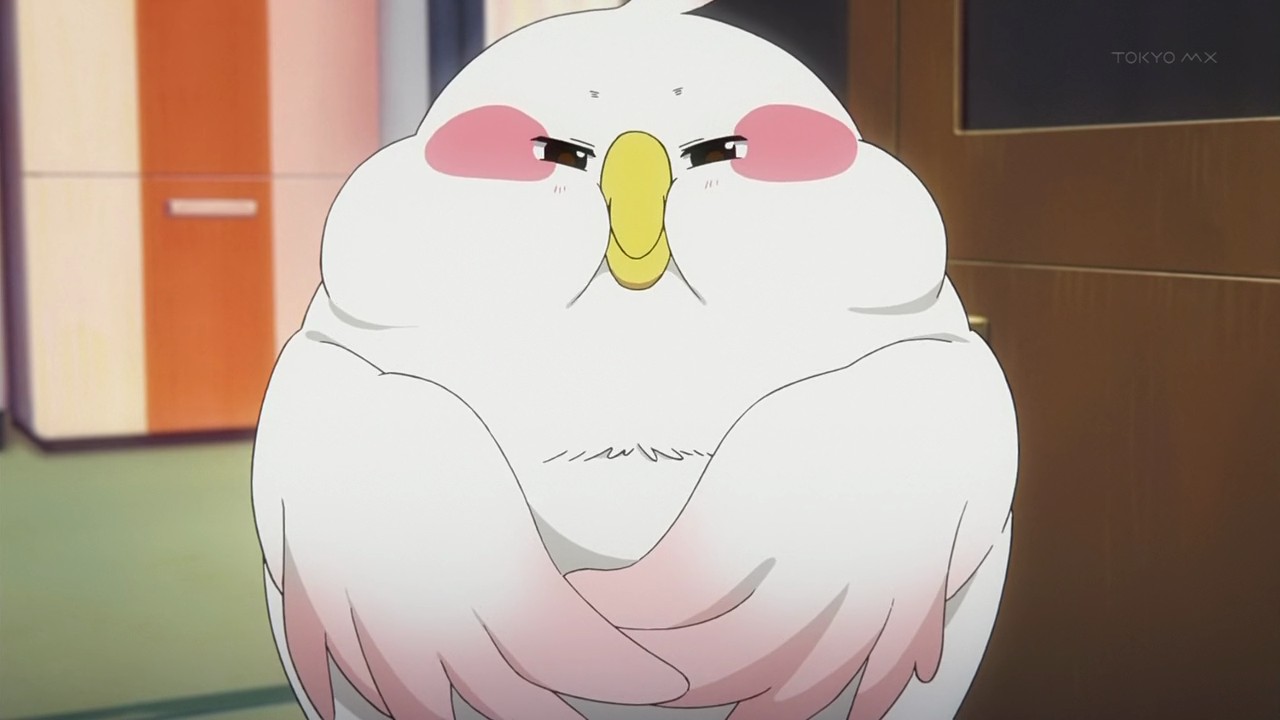
That spark came with the movie, Tamako Love Story, set after the series and deals with… well… Wait, rewind. Tamako Market is about a girl called Tamako: daughter of a family of mochi makers and the much loved teen of a Kyoto municipal shopping arcade. A talking bird named Dera arrives from an unspecified distant land, apparently searching for a bride for his country’s prince, and proceeds to ingratiate himself with Tamako’s family. However, he becomes fat and complacent from eating so much of the mochi they make, until it becomes increasingly imperative he complete his original mission.
It’s relatively common knowledge that the second season of Birdy the Mighty: Decode is better than the first. When I’d finished the first season I found that claim odd because although I echoed the sentiment of many people that it was good but not outstanding, I wondered how the second season could improve on the formula.
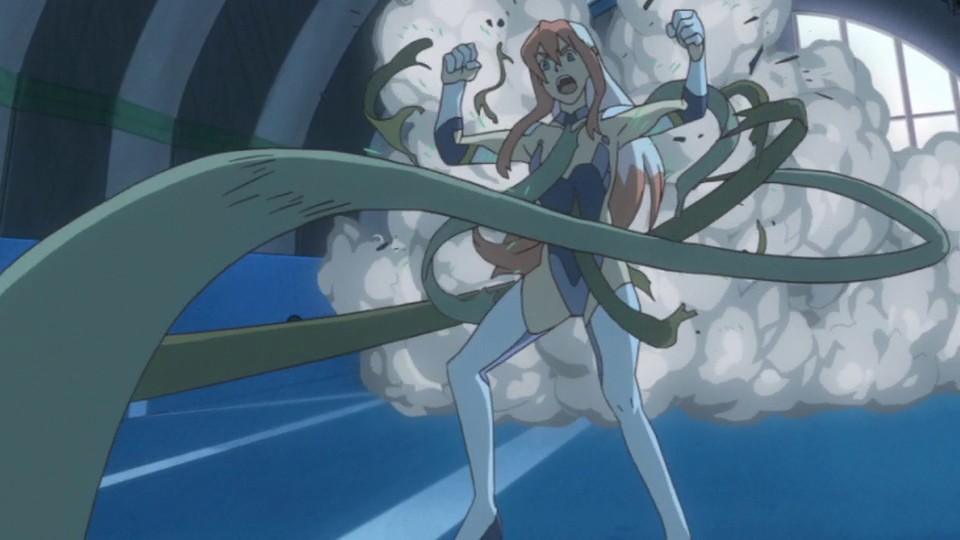
sees Birdy fight in a ruined city, bursting through crumbling buildings and trickling water mains with destructive abandon
Boy meets girl, boy ends up cohabiting girl’s body. It certainly feels familiar in the same way that any gender-bending situation is - Kokoro Connect, Ranma ½, Kämpfer et. al. - but here there is the quirk of the girl being an absurdly strong intergalactic investigator on the hunt for dangerous criminals on the “backwater” planet Earth. I thought I knew what to expect from that sort of introduction which perhaps explains why I stopped watching it when it first aired in 2008. It’s fair to say then that my expectations were challenged in the first season, then totally surpassed by the second.