Beginning Winter Sonata without knowing its lineage is opening oneself up for confusion. While superficially Japanese, the series originates in South Korea, adapted from a non-animated drama series of which Winter Sonata is the second of four which are collectively known as "Endless Love". The original television cast are brought on in voice acting roles and not re-dubbed which means that when broadcast in Japan, subtitles are included. Past the initial puzzlement as to the difference in language, the first episodes of the series turn out to be little more than a straight-faced romance story, albeit with a nostalgic twist.
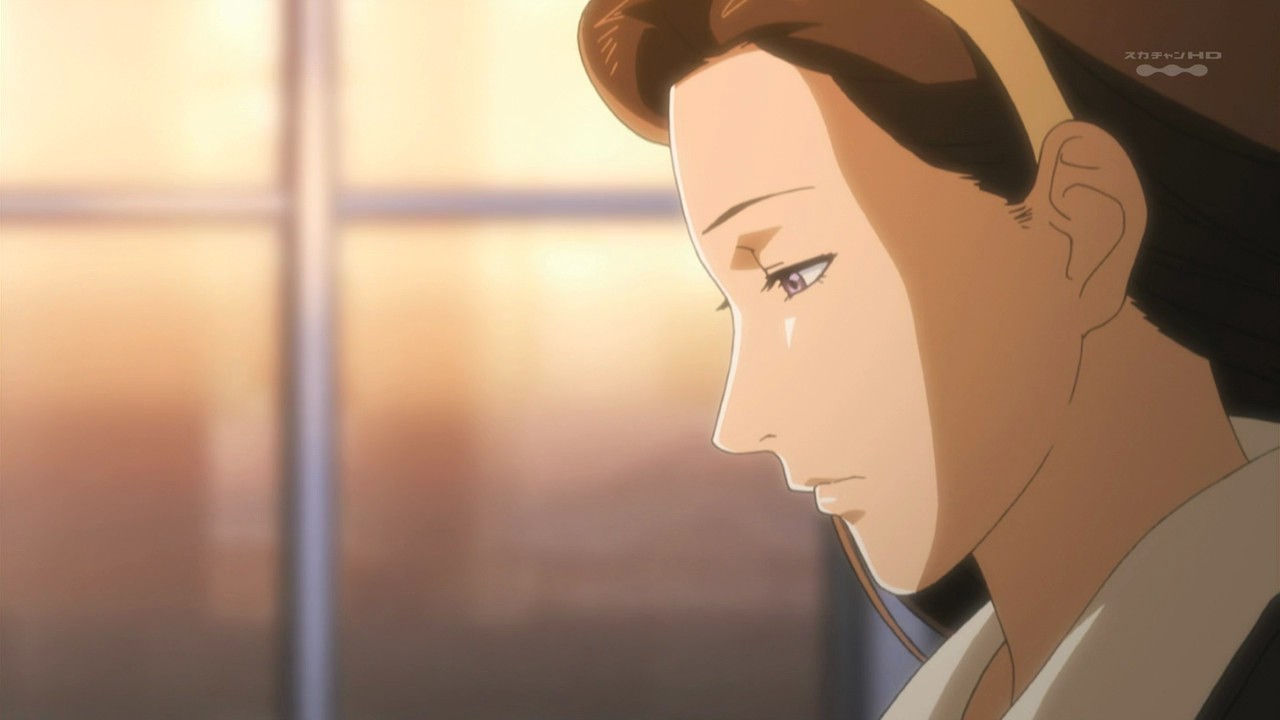
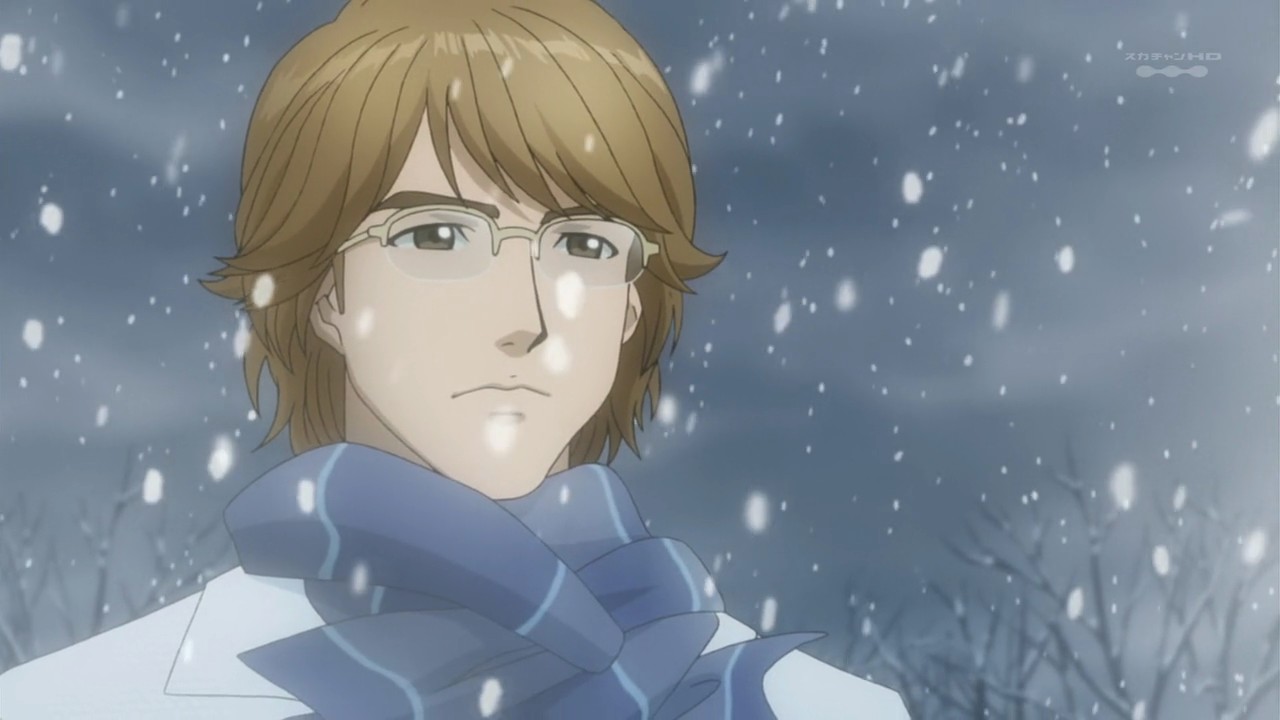
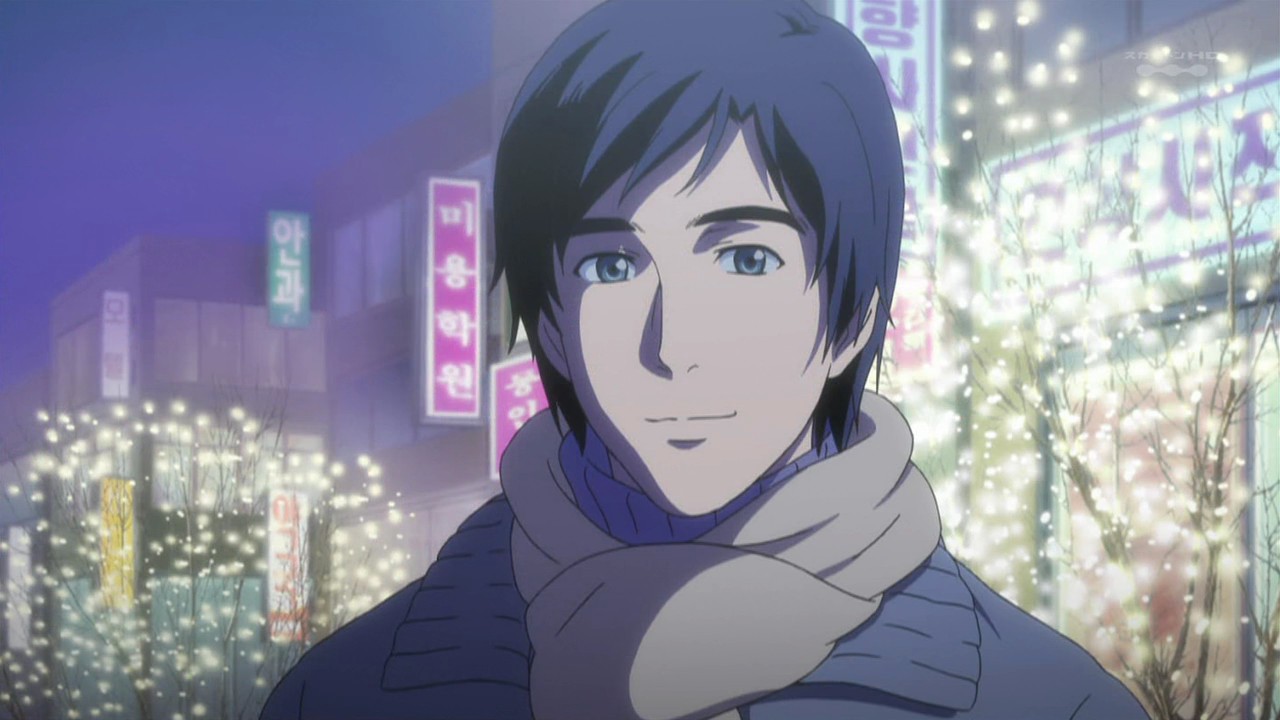
The first episode - commonly termed Episode 0 - is billed as a prelude to the main series and wastes no time pouring on the floaty piano music and longing gazes out onto cityscapes ravished by the weather. Joon Sang Kang is in New York suffering from a hematoma behind his eye which makes him permanently introspective and liable to fall over at inopportune moments; meanwhile Yujin Jung writes about the past in cosy Parisian coffee shops while thinking of Joon. With some stunning backgrounds and a genuine eye for emotional detail, the series gets off to a slow but determined start.
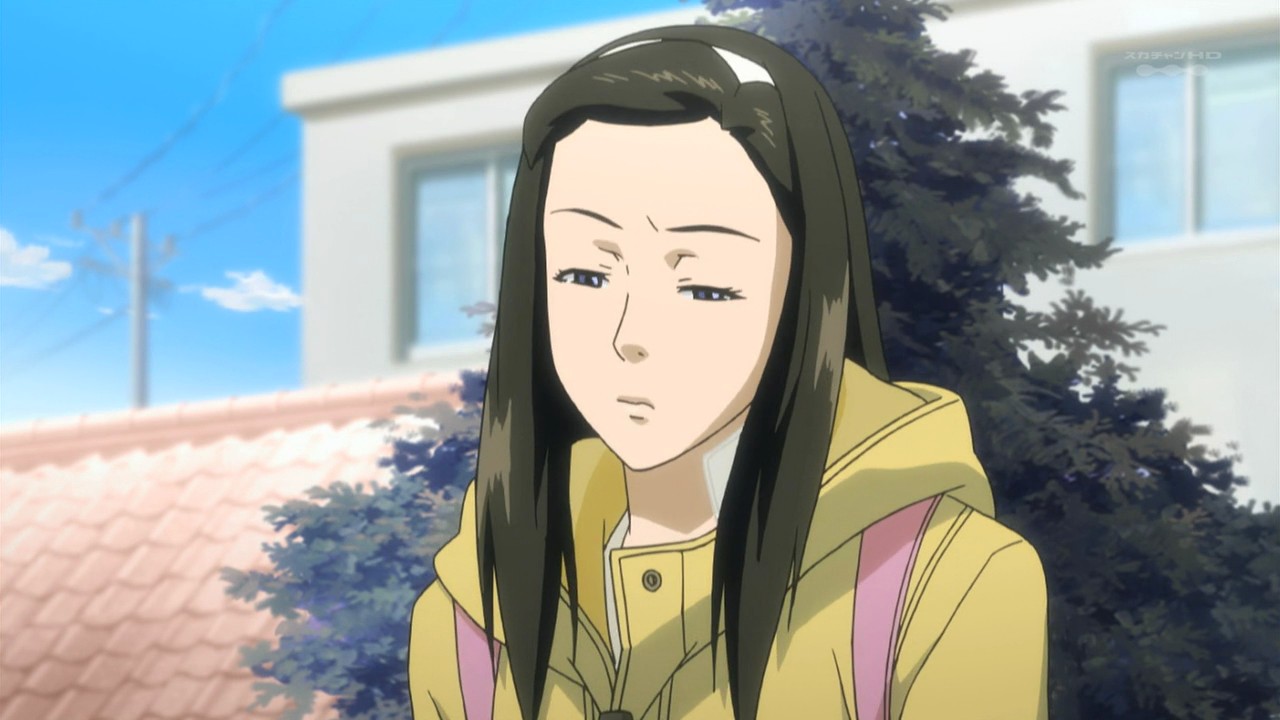
The subsequent episodes jump back chronologically when both were in high school and Joon was a misanthropic but brilliant student while Yujin was whimsical and chronically tardy. A selection of contrived events later and the two strike up a friendship with obvious leads for more intimate progression but which has the effect of making Yujin's shy white-knight butt heads with Joon. None of the story is particularly innovative or new but there is a reminiscent quality, not quite as bleakly nostalgic as Makoto Shinkai's work (Five centimetres per second et. al.) but still engaging. What is pleasing to see, and no surprise with the source material coming from South Korea, is the almost complete de-sexualisation of characters - no waif-like women with cleavage stretching up to their necks - the cast is kept simple and graceful with emphasis on verbal ability than cup size.

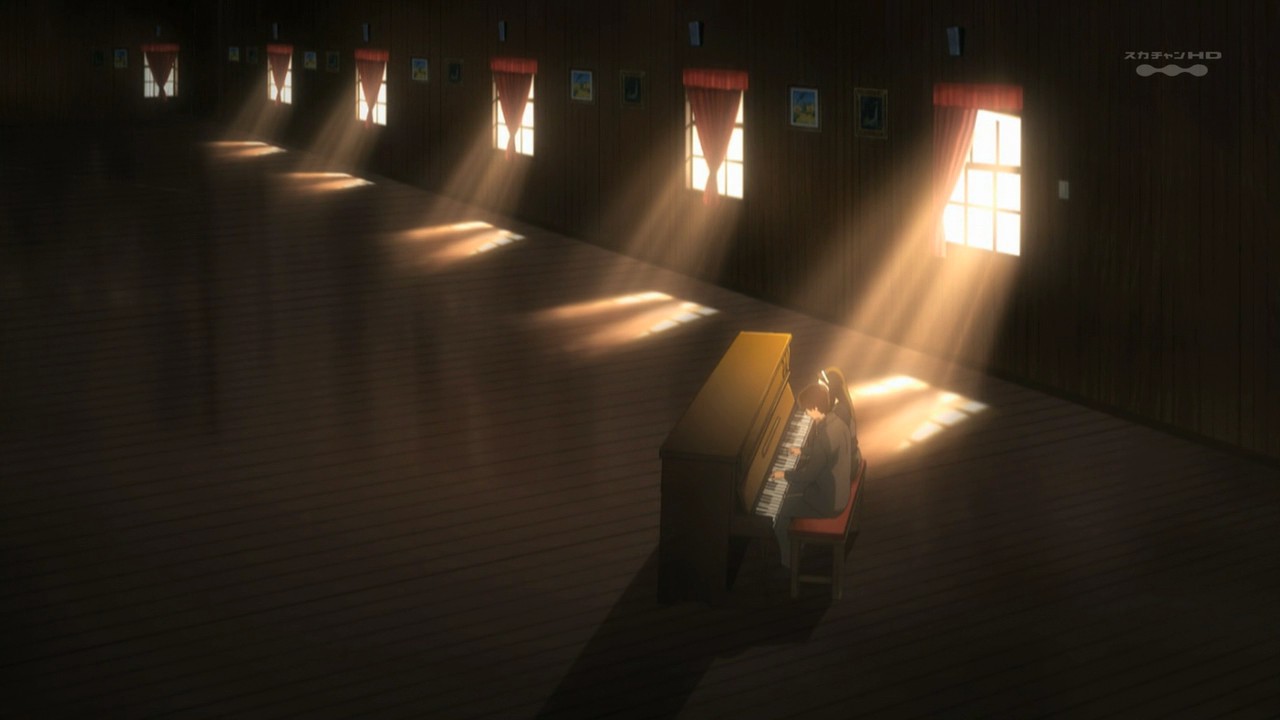

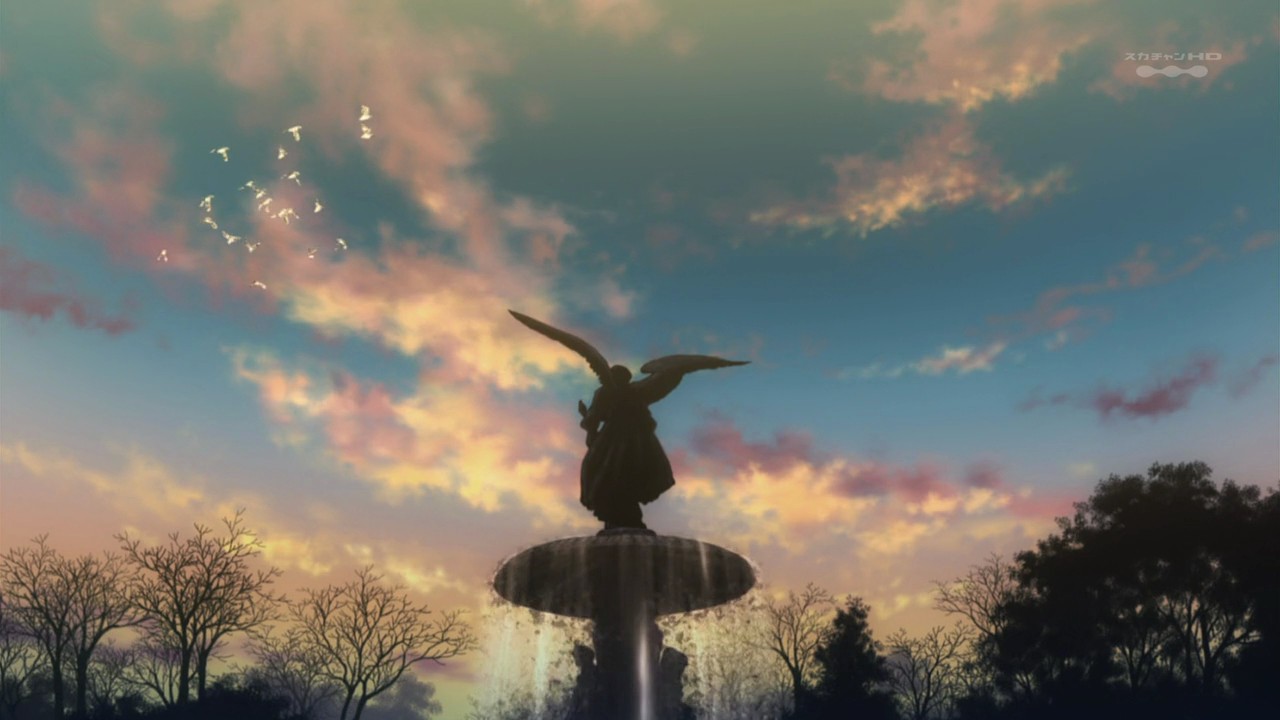
Such is the single-minded focus on characterisation, it is disheartening to see the animation not match up to the settings. Even in the opening scene, an atmospheric shot of a snowy, evening airport is destroyed by angular features and woefully inadequate motions applied to even the main cast. Faces often distort so much that different scenes can seem like they are populated by different characters, despite bearing the same names. If other parts of the show could raise the bar then perhaps the visual faults could be overlooked, but with a fitting and entirely forgettable score and no reasonable notion of the calibre of the voice actors, the result could be described as little more than perfunctory.
A full run of twenty six episodes is planned, so the points between the melancholy first episode and the jaunty third are free to be explored and dissected in minute detail, every phrase and action scrutinised and burdened with meaning. Winter Sonata is a soap opera: likeable characters, exaggerated emotions and overblown events; it comes across as a show that resolutely belongs on daytime television, aimed squarely at the unemployed and housebound. It effectively engages the voyeuristic part of the brain that can't help but devour the dramatised gossip happening on screen while quietly wishing their own lives were so eventful. It raises the question of why go to the trouble of animating what is already a successful live-action series? It utilises none of the opportunities afforded by the medium apart from the escapism of art being more graceful than life which is, perhaps, the entire point. Only the rest of the series can reveal whether it is better than or significantly different to the original drama series to warrant its creation.